





Yakutsk Weather: Seasonal Climate, Temperatures and Travel Tips

Yakutsk, the capital of Russia’s Sakha Republic, has an extreme continental climate: long, exceptionally cold winters and surprisingly warm summers. This guide explains seasonal weather patterns, practical clothing and transportation considerations, and where to check an actual forecast before travel. This is a climate guide, not a live weather report.
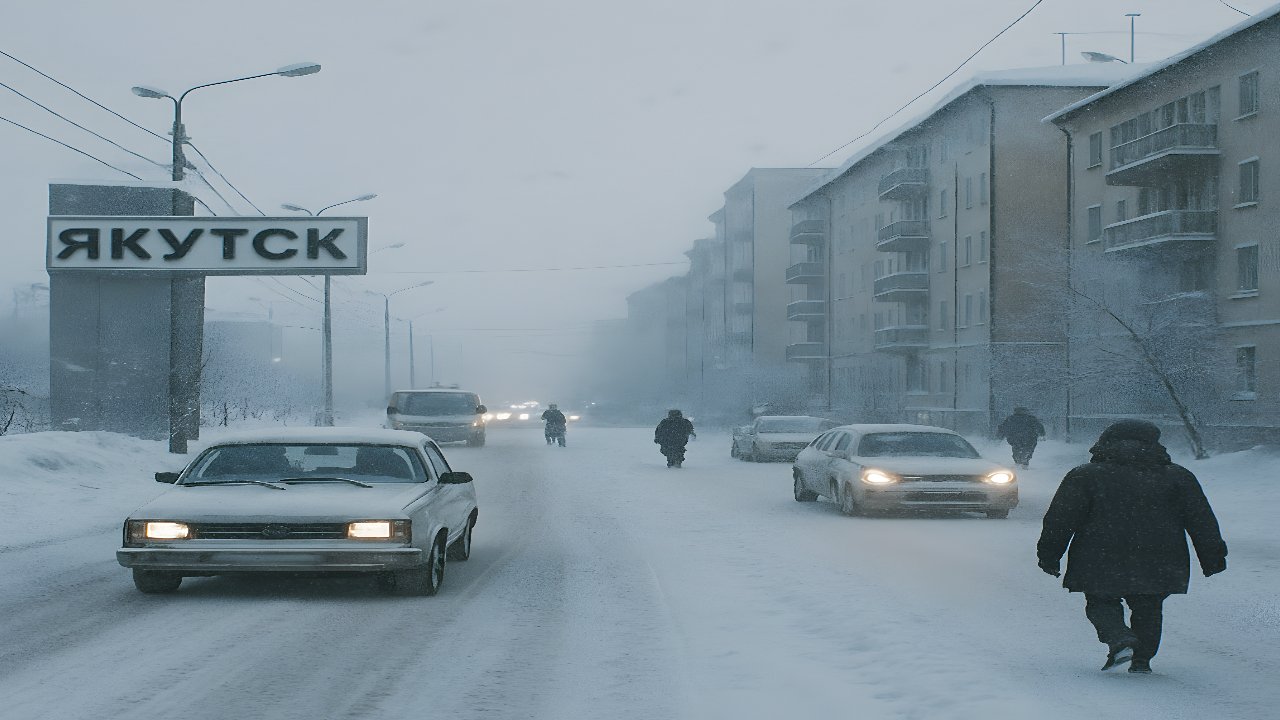
Yakutsk weather at a glance
Winter cold is most intense around December and January, while July is generally the warmest month. Large seasonal changes are normal: daytime temperatures can be well below freezing in winter and comfortable or hot in summer. Individual days vary, and a historical average cannot predict the weather for a future trip.
Typical conditions by season
Winter: December to February
This is the most demanding time to visit. January climate data reported by Time and Date for the 1992–2021 period show a monthly mean near −36°F (about −38°C). Wind, exposed skin and lengthy outdoor waits can make travel especially uncomfortable. Plan indoor breaks, warm vehicle transfers and backup transport. The exact conditions for your dates may be substantially colder or milder.
Spring: March to May
Daylight increases and temperatures rise rapidly, but snow, ice and frozen ground may remain significant early in the season. Wear grippy footwear, monitor freeze-thaw conditions and leave flexibility in driving schedules. Do not assume that spring in Yakutsk resembles spring in a temperate city.
Summer: June to August
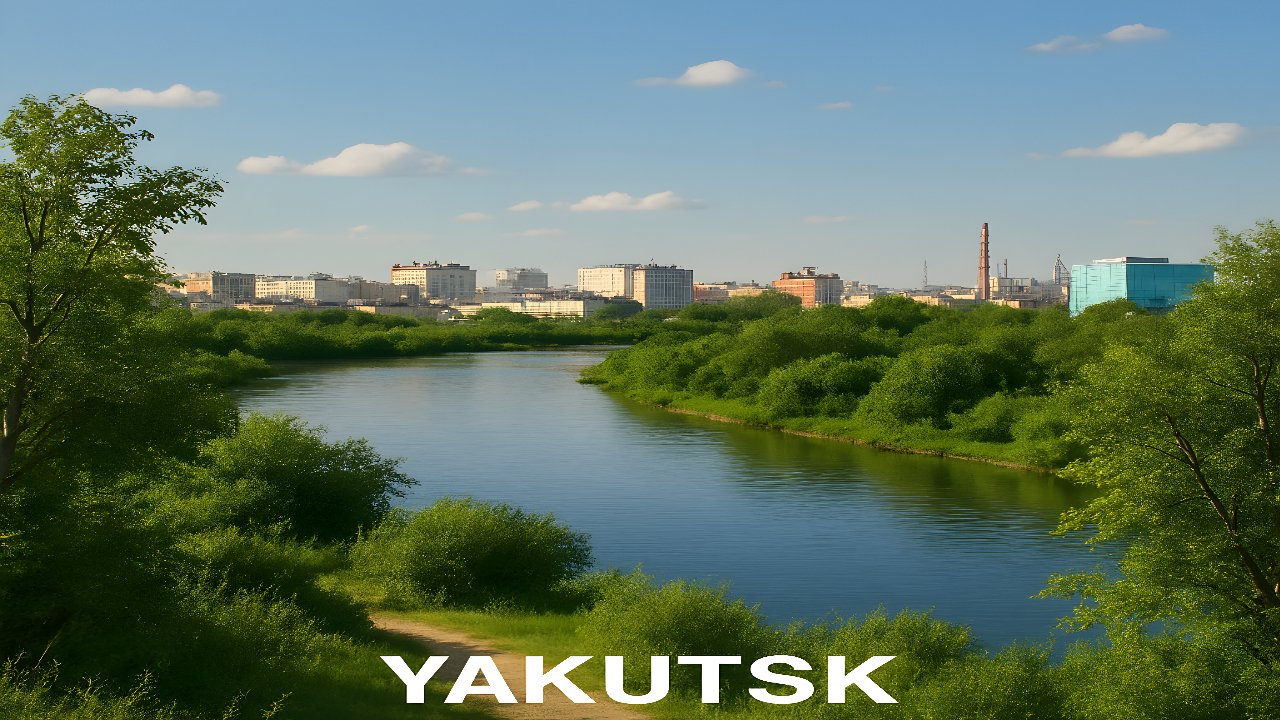
Summers are short and can be warm. July is often the warmest month, with average conditions very different from midwinter. Bring layers for cooler evenings, breathable clothing for warm afternoons and protection from insects in suitable outdoor areas. Outdoor roads and river transport can be affected by weather and local operating conditions.
Autumn: September to November
Temperatures often drop quickly, and winter-like conditions can arrive earlier than visitors expect. Shorter daylight and changing road conditions make it important to check updated transport schedules and local advisories.
Travel clothing and safety checklist
- Wear insulating base and mid-layers with a wind-resistant outer layer in severe cold.
- Use insulated boots, warm gloves or mittens and head and face protection where conditions warrant.
- Keep a phone charged and protected from rapid cold-related battery drain.
- Arrange dependable transport and confirm accommodation heating before departure.
- Avoid prolonged exposed-skin contact in extreme cold and seek shelter if numbness or unusual pain develops.
- Carry medication and essentials in hand luggage, subject to airline and local regulations.
- Allow extra time for flights, road journeys and winter transfers.
How to check today’s Yakutsk weather
For current temperature, wind, alerts and a short-term outlook, consult a regularly updated weather provider rather than treating this article as a forecast. You can check Yakutsk current weather and forecast shortly before departure and again on each travel day. Local emergency, airline and transport advisories take precedence over general travel recommendations.
Climate averages versus live forecasts
Climate averages summarize observations from many years and are useful for deciding which season to visit. A forecast estimates upcoming conditions and is revised as new observations become available. Neither guarantees a specific temperature. Time and Date’s Yakutsk historical climate table describes monthly conditions based on weather reports collected from 1992 to 2021.
Frequently asked questions
Is Yakutsk cold all year?
No. Yakutsk has exceptionally cold winters but warm summer periods. Conditions can vary considerably from month to month.
Which month is generally the coldest?
January is commonly among the coldest months according to historical climate observations, but a given year may differ.
Can visitors travel to Yakutsk in winter?
Yes, but severe cold requires suitable equipment, safe transport arrangements and realistic outdoor exposure limits. Check current government travel advice, entry requirements and local operating conditions.
Does this page give live weather alerts?
No. This page explains seasonal climate and links to up-to-date weather services. It does not issue or monitor live severe-weather warnings. For a wider comparison of cold destinations, read our coldest countries climate overview, which explains why national annual averages are different from a single city’s winter extremes.