



TheLowdownUnder Travel: Evaluating Guides and Planning a Better Trip
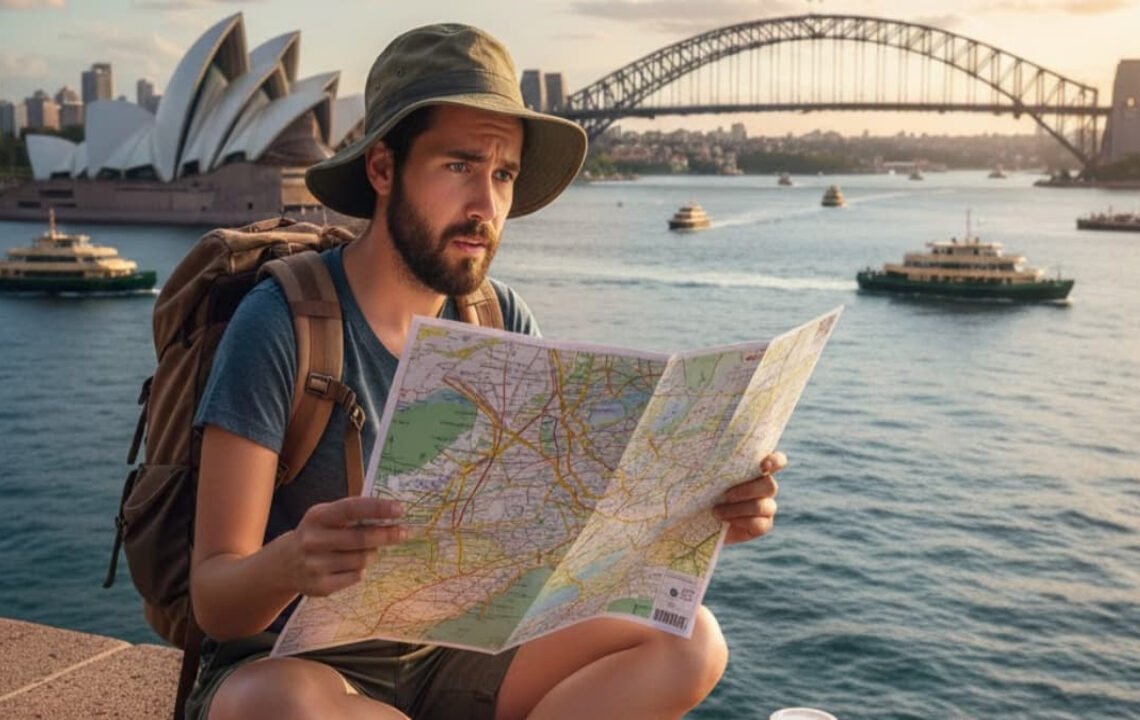
The phrase “TheLowdownUnder Travel” appears on travel-themed articles at websites using similar names, including thelowdownunder.org and thelowdownunder.blog. Their available pages describe responsible travel, culture and trip planning, but similar names are not proof that the sites share one owner, editorial team or booking service. This independent guide explains how to evaluate such travel resources and turn inspirational stories into a real itinerary with verifiable logistics, safety checks and respect for local communities. We have not booked through either site or verified personal travel experiences attributed to their writers.
Which TheLowdownUnder Travel website are you reading?
| Website | What its public travel page presents | What to verify |
|---|---|---|
| thelowdownunder.org | An article dated July 2025 about travel planning, budgets and cultural awareness | Publisher identity, author, source links and whether claims are firsthand |
| thelowdownunder.blog | An article dated October 2025 discussing cultural experiences and responsible exploration | Authorship, dates, factual support and relationship to any similarly named domain |
These descriptions come from the specific public pages at .org and at .blog. They are not evidence that the businesses are connected, independently vetted or affiliated with Cen Xianyuan. Some broad advice on each page needs additional fact-checking before you use it to book real travel.
Separate travel inspiration from actionable information
- Inspiration: “explore the local culture” can suggest an idea, but does not give location, costs or access rules.
- Actionable logistics: an exact attraction name, verified operating hours, official entry rules, realistic travel time and transport choice.
- Safety information: current travel advisory, route conditions, climate hazards, accessibility and emergency backup.
- Commercial facts: dated final pricing and cancellation terms from the actual provider rather than generic “cheap trip” labels.
- Personal experience: a writer’s detailed, honest firsthand observations distinguished from desk research.
Six-step research workflow before booking
- Choose a destination and list your must-see sites, accessibility needs and realistic total budget.
- Check passport, visa and immigration requirements on your destination government’s official site.
- Find the actual official attraction and transport provider pages; note date-sensitive hours and pricing.
- Compare accommodation by exact address, local transport and full checkout cost, not just photos.
- Check health/safety advice, medicines, local law and insurance exclusions relevant to your trip.
- Build a day-by-day plan with buffers for delays, weather and rest; keep secure offline copies of bookings.
The U.S. State Department’s international traveler checklist shows the kind of travel-document and safety questions travelers should verify through their own government and destination authorities. The specific U.S. services listed there are for eligible U.S. travelers; people from other countries should use their own official guidance.
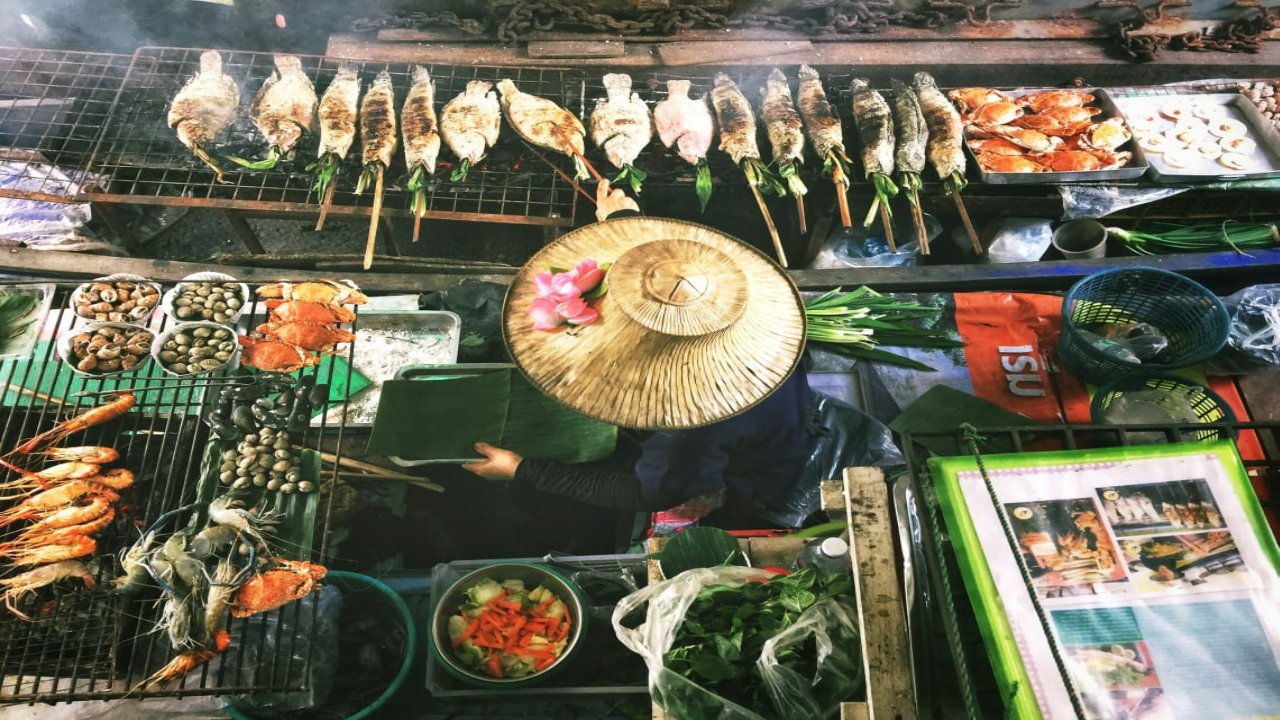
Worked example: a three-day culture-focused city trip
Imagine choosing a city you have never visited. A practical itinerary should not claim that its best restaurants or attractions have been personally tested unless they have. Instead, create the following flexible template and fill it with locally verified details.
| Day | Travel focus | Checks before leaving |
|---|---|---|
| 1 | Arrive, check into accommodation, short neighborhood walk and a local meal | Arrival transport, late check-in, safe walking route and food restrictions |
| 2 | One cultural institution and a locally run walking or heritage experience | Real operating hours, tickets, accessibility and any guide permissions |
| 3 | A public market or local workshop before departure | Opening hours, photography consent, luggage storage and return transport |
Do not overload the day with destinations far apart. Put the actual distances and transport costs into a map or itinerary. For an example with site-specific transport details, see our Giza Pyramids transportation guide.
Calculate the real cost: a sample worksheet
For a hypothetical three-night trip, assume accommodation totals $240, transport $95, meals $75, activities $40 and a contingency reserve of $50. The estimated budget is $500. These are invented planning figures, not a real destination quote. Replace each line with your own dated prices; add visas, bank fees, local taxes and insurance when relevant.
Responsible cultural travel without turning communities into attractions
UNESCO’s sustainable tourism guidance emphasizes listening to host communities and communicating their contemporary realities, not reducing living places to idealized scenery. Choose businesses transparently, ask before photographing people, respect local access limits, and avoid promising that any experience is “authentic” simply because it is off a tourist route.
- Seek permission before photographing homes, ceremonies or individual people.
- Use local guides who are appropriately authorized and fairly compensated.
- Stay on permitted routes at fragile historic or natural sites.
- Check whether the destination restricts wildlife contact or collecting souvenirs.
- Respect quiet hours, religious sites, dress rules and access limitations.
- Avoid sharing private, sensitive cultural sites on social media without community permission.
How to recognize over-promotional travel advice
- A website claims every hotel, guide or route is personally tested without showing credible evidence.
- It recommends “guaranteed cheap” travel but gives no dates, route or final fees.
- It lists visa, medical or safety rules with no government source.
- An article contains many repeated outbound links that do not help with actual trip planning.
- The exact same broad motivational sentences appear across many unrelated blogs.
- The site offers booking or payment instructions without verifiable legal identity or clear cancellation terms.
Frequently asked questions
Are thelowdownunder.org and thelowdownunder.blog the same company?
Their similar names are not sufficient evidence of a shared owner. Check each site’s current ownership and contact disclosures; do not assume they are connected.
Should I rely on a travel blog for visa requirements?
No. Blogs can explain common concepts, but you should confirm your own passport and itinerary requirements with the destination government and relevant official consulate.
Is responsible travel always more expensive?
Not necessarily. Using public transport where suitable, respecting local rules and avoiding unnecessary extra journeys can align with budget constraints. Individual costs depend on the destination and accessibility requirements.
Does this page sell tours or verify availability?
No. It is an informational comparison and planning checklist, not a tour operator or reservation website.
Editorial independence and references
This article references one TheLowdownUnder site and another similarly named site strictly for identification, not as endorsements. Independent travel-planning principles draw on government travel preparation guidance and UNESCO World Heritage sustainable tourism resources. Prices and itinerary choices are illustrative and have not been field-tested by Cen Xianyuan.