



How to Visit Yaxhá Mayan Ruins from Flores: Tickets, Transport and Tips
Yaxhá is a Maya archaeological site set among tropical forest and lagoons in Guatemala’s northern Petén region. It makes a compelling day trip from Flores, especially for travelers who want a quieter archaeological experience alongside a visit to Tikal. The practical challenge is arranging transport to an isolated site, understanding the last 11 kilometers of access road, and planning a visit within the park’s published hours. This guide uses current Guatemalan government and protected-area sources; it does not claim that we have personally driven the route or inspected tours.
Practical details, verified references and useful decisions: Yaxh at a glance · Why visit Yaxh instead of—or alongside—Tikal · How to get to Yaxh from Flores. Read official sources for changing rules and prices.
Yaxhá at a glance
| Question | Planning answer |
|---|---|
| Location | Petén, Guatemala, within Yaxhá–Nakum–Naranjo National Park |
| Most convenient base | Flores or nearby Santa Elena |
| Typical approach | Drive along CA-13 toward Melchor de Mencos, then take an unpaved access road |
| Published hours | 8:00 a.m. to 5:00 p.m., every day |
| Published park admission | Q80 foreign visitors; Q40 Guatemalan visitors |
| How long to set aside | Allow a flexible half to full day, including transfer and walking |
| Best transport | Arranged return vehicle or guided trip with collection time agreed in advance |
The Guatemala Ministry of Culture and Sports confirmed Q80/Q40 admission and daily 8:00–17:00 hours in a June 2026 update. These are published rates, not a guarantee of what any individual tour includes. Ask about payment options and special events before departing.
Why visit Yaxhá instead of—or alongside—Tikal?
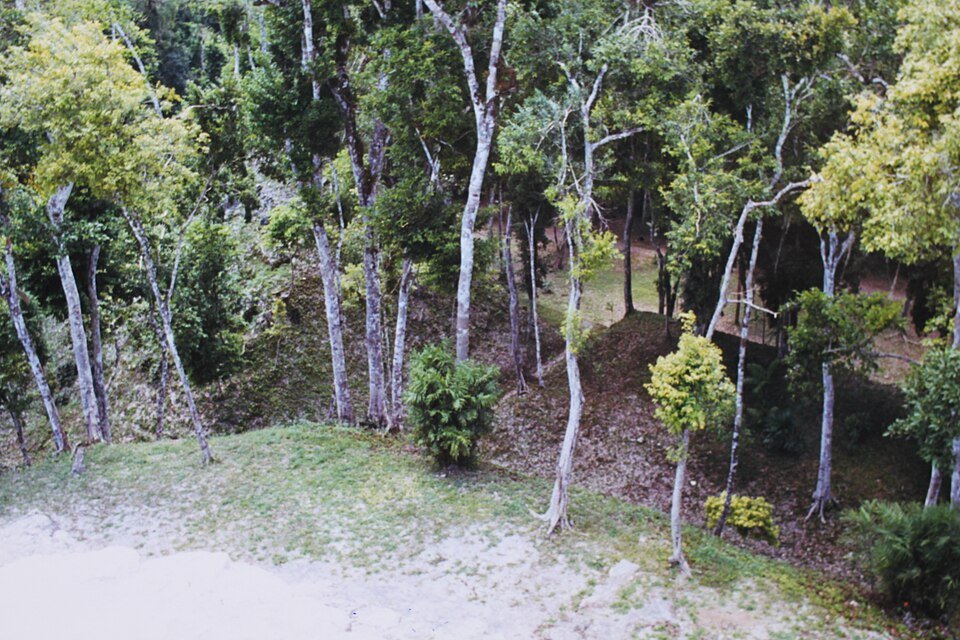
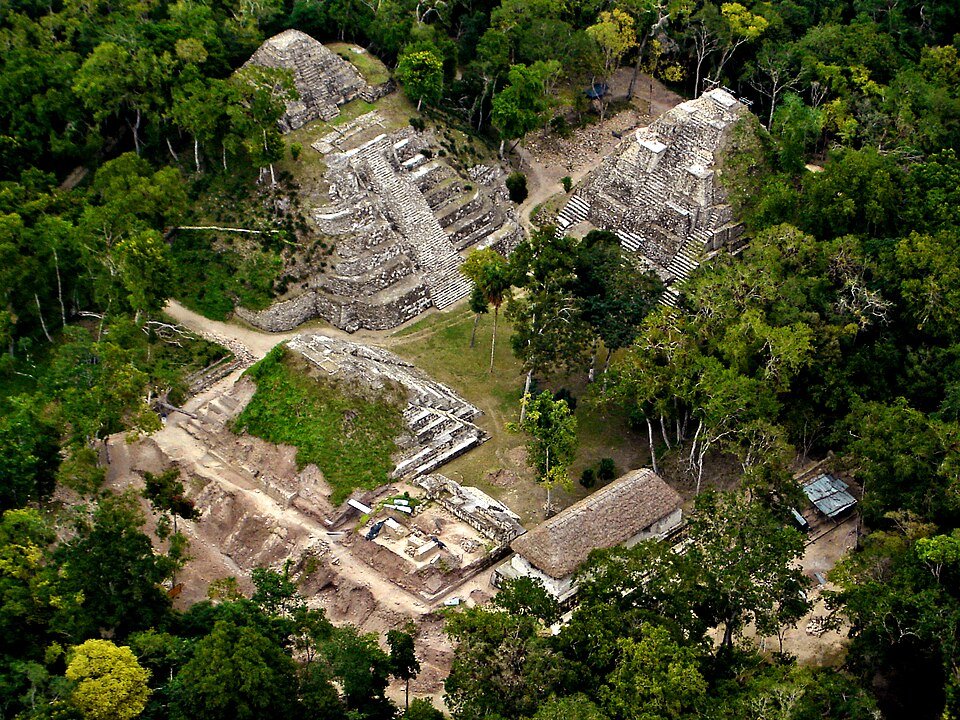
Tikal is the better-known large-scale archaeological destination in Petén. Yaxhá’s attraction is a different combination of restored Maya structures, jungle trails, birdlife and views toward the Yaxhá and Sacnab lagoons. Its protected-area authority describes the wider national park as a wetland of international importance, with ancient Maya cities and valuable forest habitat. That combination is the reason to come: it is not simply a smaller replica of Tikal.
If your trip is short and you can visit only one major Maya site, compare your transport logistics before choosing. Our Tikal archaeological site guide addresses the larger destination separately. Travelers with at least two available days in Petén can give each site its own unhurried visit.
How to get to Yaxhá from Flores
According to Guatemala’s protected-area tourism authority, CONAP, the route follows CA-13 for about 62 kilometers toward Melchor de Mencos, reaching La Máquina before continuing roughly 11 kilometers on an unpaved road. CONAP suggests an approximate 1 hour 15 minute drive, but it is only an estimate: rain, road maintenance, vehicle type and pickup location can change journey time.
Option 1: private driver or shared guided trip
For most first-time visitors, a return transfer agreed in advance is straightforward. Ask the operator to specify whether the price is per person or per vehicle; pickup location; park admission; whether a licensed or community guide is included; meals or drinks; and the actual return time. A trip advertised as a ‘sunset tour’ needs extra scrutiny because the ordinary official schedule ends at 5:00 p.m. Do not rely on an after-hours visit unless the park confirms authorization.
Option 2: rental car
A self-drive visit offers flexibility, but check that the car is allowed on the unpaved access section and that the rental agreement covers roadside incidents there. Save the access route offline. Ask locally about recent rain and road passability, particularly when using a vehicle with limited clearance. Keep enough fuel for the return and do not treat every dirt-road turn on an online map as an approved entrance.
Option 3: public transport plus onward transfer
Public transport may reach communities on the CA-13 corridor, but that is not equivalent to a scheduled public bus to the archaeological park. Without a reliable onward ride for the unpaved section and a return booking, the apparent fare saving can create a real risk of getting stranded. Confirm the entire journey before choosing this option; don’t assume an on-demand taxi will be waiting at the site.
Entrance fees, cash and opening hours
| Park charge | Published amount | Who it applies to |
|---|---|---|
| Standard foreign admission | Q80 | Foreign visitors |
| Standard Guatemalan admission | Q40 | Guatemalan visitors |
| Children under five | Exempt in CONAP tariff document | Confirm age documentation and current rules |
| Tour transport or guide | Not included in the published admission figure | Quoted separately by provider |
The official CONAP tariff sheet lists exemptions for young children and special categories, while the more recent government notice confirms the adult Q40/Q80 rates. Carry sufficient quetzales and confirm whether the park accepts electronic payment; do not assume a credit card or foreign currency will work. A 2026 visitor regulation is also listed by CONAP, so treat specific access rules as subject to change.
What to see inside the archaeological area
- Maya architecture: observe the surviving plazas, pyramidal structures and monumental groupings, keeping to marked visitor areas.
- Forest trails: allow time to move between archaeological groups rather than rushing for one photograph.
- Lagoons: viewpoints over Yaxhá and Sacnab are a distinctive feature, depending on weather and authorized access.
- Wildlife: listen and look for birds and other forest animals from a respectful distance; sightings are never guaranteed.
- Interpretation: a qualified local guide can help explain chronology, building purposes and environmental context without guessing at unsupported legends.
The protected-area authority identifies four important ancient cities in the wider park: Yaxhá, Nakum, Naranjo and Topoxte. They are not four stops on one effortless walking circuit. Nakum and Naranjo require more specialized logistics; CONAP advises local guides and, in some circumstances, permission. Topoxte involves boat access. A standard day ticket and a few spare hours do not establish access to all four.
A realistic first-visit itinerary
| Phase | Plan | Why it works |
|---|---|---|
| Morning | Depart Flores with confirmed vehicle, fuel and water | Allows delays without sacrificing the visit |
| Arrival | Confirm admission, permitted routes and departure arrangements | Avoids assumptions about park rules |
| Main visit | Walk selected Maya complexes with rest and interpretation stops | Makes time for learning and photography |
| Optional extra | Ask onsite about approved viewpoints or guided activities | Keeps add-ons within current park access rules |
| Return | Leave within authorized hours and with a daylight buffer where possible | Reduces reliance on an uncertain late pickup |
If your driver has planned a late-afternoon pickup, verify the departure procedure with park staff on arrival. Some online guides advertise watching sunset from temples, but the standard official hours given by the Ministry are 8:00 a.m.–5:00 p.m. A special program, if one exists on your date, must be confirmed directly rather than inferred from a travel blog.

When to visit: weather and realistic expectations
Petén’s wetter periods can make forest paths muddy and the unpaved access section slower. During drier periods, dust, heat and limited shade can be tiring. In either case, start earlier than you would for a simple urban museum visit; the journey, walking and tropical conditions need flexibility. Check a reliable forecast just before departure, but treat storms, lightning and road reports as reasons to change plans.
What to bring
- At least enough drinking water for the full outing, especially if traveling independently.
- Comfortable closed shoes with traction, plus socks you can walk in when damp.
- Insect repellent, sun protection and a lightweight rain layer.
- Cash in Guatemalan quetzales, identification and your driver’s offline contact details.
- A downloaded map and battery pack; do not rely on continuous mobile signal.
- A small first-aid kit and any personal medicines; verify the nearest assistance point before starting.
- A bag for every item you bring in—leave no litter or food waste in archaeological or forest areas.
Accessibility, conservation and photography
Paths can be uneven, steep, slippery or interrupted by historic steps. If someone in your group has mobility limitations, ask park management about accessible routes before traveling; do not assume a site with paved road access is wheelchair accessible. Do not climb any structure unless that specific route is open and signed for visitors. Archaeological conservation work can close structures temporarily.
Keep a respectful distance from wildlife, avoid drones without written authorization, and check whether commercial photography requires special permission. Use local guides when valuable, but evaluate the guide’s actual credentials, safety practices and explanation of the site rather than a generic ‘best guide’ label.
How to compare the total cost of two tours
A useful quote should separate five items: return transport, admissions, local guide, any boat or additional-site activity, and meals or water. For example, if a provider quotes Q600 for a vehicle carrying two travelers and admission is excluded, adding two published foreign admissions of Q80 produces Q760 before any guide or meal expenses. The Q600 vehicle figure is a hypothetical worksheet example, not an observed operator price. Ask for the actual total in writing.
Common mistakes to avoid
- Arriving late while expecting to see every archaeological group.
- Assuming that Yaxhá, Nakum, Naranjo and Topoxte share identical access logistics.
- Planning around an advertised sunset visit without verifying after-hours authorization.
- Booking a one-way ride without confirmed pickup or adequate communication.
- Confusing the entrance fee with an all-inclusive transport-and-guide price.
- Ignoring weather, road conditions or mobility needs.
- Using dated advice on fees or gate hours when newer government notices are available.
Frequently asked questions
Can I visit Yaxhá without a guided tour?
A self-drive visit to the main Yaxhá area may be feasible if you can navigate the access road and comply with onsite rules. The practical question is whether your rental vehicle, knowledge of the site and return arrangements are adequate. More remote ruins require special planning.
What is the current published foreigner entry fee?
The Guatemala Ministry of Culture and Sports published Q80 for foreign visitors in June 2026. Confirm the rate for your exact date and visitor category before leaving Flores.
Can I see sunset from Yaxhá?
The official standard hours are 8:00 a.m. to 5:00 p.m. Do not assume entry or late departure for sunset; ask park management whether an authorized special arrangement exists on your visit date.
Is Yaxhá better than Tikal?
They meet different travel goals. Tikal is the larger, more famous archaeological visit; Yaxhá offers a different combination of ruins, forest and lagoon views. If time permits, visit each without rushing.
Are there facilities onsite?
The Guatemalan cultural directory lists visitor services such as restrooms and local guide services, but operating availability can change. Carry water and confirm essentials rather than expecting full tourist-town facilities.
Sources and editorial disclosure
Checked against: Guatemala Ministry of Culture and Sports (June 2026), CONAP visitor and access information, CONAP admission tariff and 2026 visitor regulation notice. The guide is independently researched, not a report of a firsthand visit or guaranteed transport service. Prices and opening arrangements are subject to park confirmation.
Information is provided for general guidance. Verify current rules, availability and individual terms with the official organizations linked in this guide.