



Bangka Island Travel Guide Tips
Bangka Island Travel Guide Unveiling Sumatra’s Secret Paradise of Granite Boulders and Turquoise Lagoons
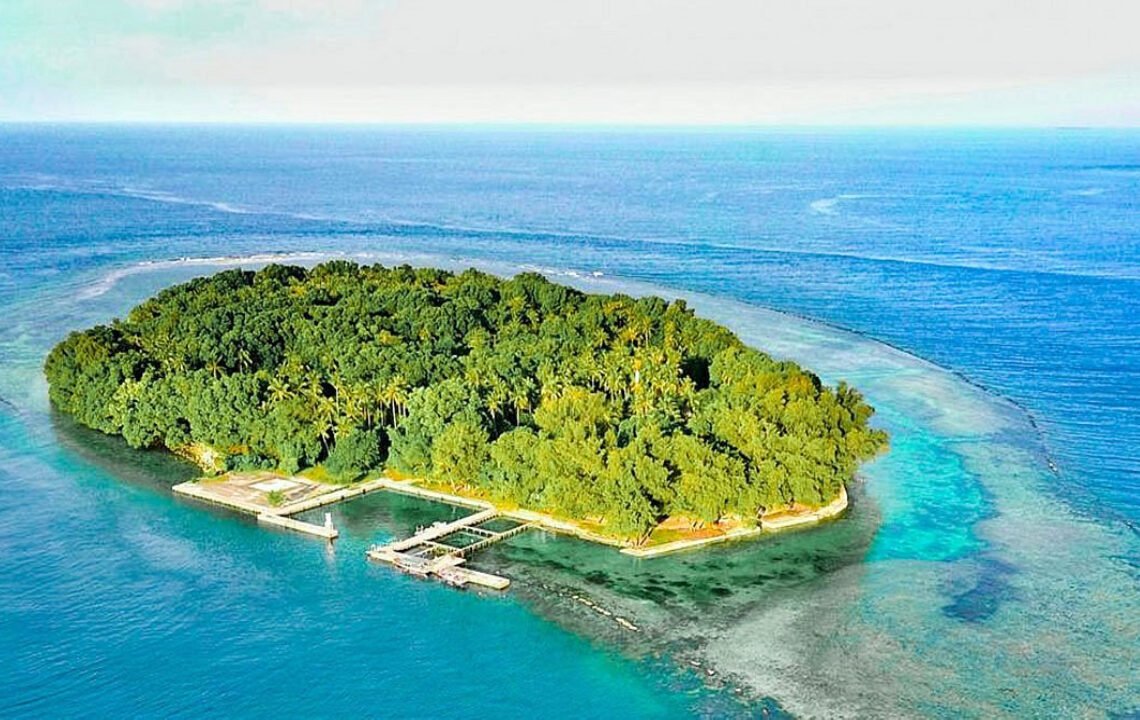
Imagine an island where giant, smooth granite boulders the size of houses lie scattered along powdery white sand beaches as if a playful giant dropped his marbles into the sea. The water is a shade of turquoise so pure it rivals any Caribbean postcard, and the shallow lagoons are so calm and clear you can see tiny fish nibbling at your toes. The air smells of salt, grilling seafood, and the faint, sweet smoke of charcoal from a distant food stall. This is Bangka Island, the larger, more developed half of the Bangka Belitung archipelago, located just off the east coast of Sumatra. For years, this island was known primarily as a tin mining hub. But today, a new kind of treasure is drawing travelers from across Indonesia and beyond: its breathtaking, unspoiled coastal scenery, its fascinating cultural blend, and a food scene that will haunt your dreams.
This Bangka Island Travel Guide is about the Bangka that sits in the South China Sea, part of the Bangka Belitung Islands province. It is not to be confused with the small diving island of the same name in North Sulawesi. This Bangka is much larger, more populated, and offers a diverse range of experiences, from granite-strewn beaches and snorkeling on pristine reefs to exploring colonial Dutch architecture and sampling some of the best seafood noodles on the planet. If you are looking for an Indonesian island that combines beauty, culture, and culinary adventure without the tourist crowds of Bali or the Gili Islands, then this Bangka Island Travel Guide is for you.
The Iconic Landscapes Beaches Made of Dreams
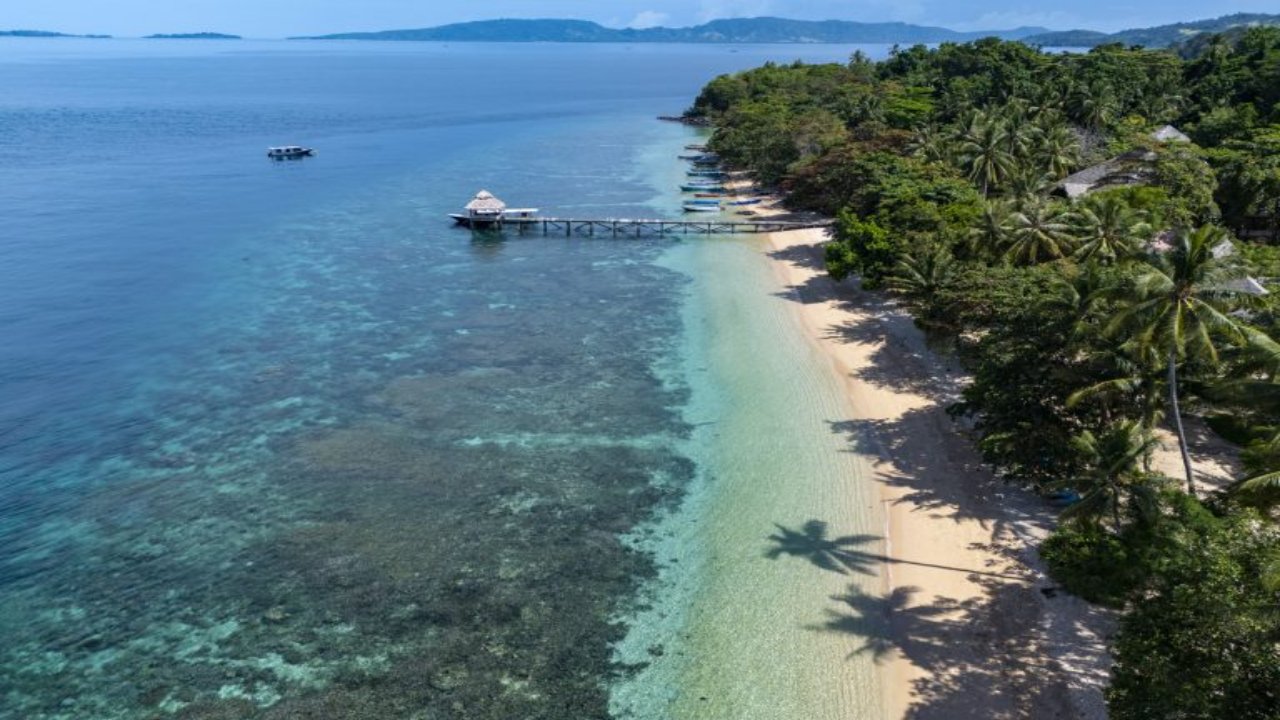
The defining image of Bangka Island, the one that has launched a thousand Instagram posts, is the surreal coastline of giant granite boulders. Millions of years of erosion have sculpted these massive stones into smooth, rounded, organic shapes that balance impossibly on the white sand and in the shallow, crystal-clear water. These boulders create a landscape that is utterly unique and photogenic beyond belief.
The most famous spot is Pantai Parai Tenggiri, a beautiful, well-maintained beach just a short drive from the capital city of Pangkalpinang. Here, the giant boulders form a natural breakwater, creating a large, calm lagoon perfect for swimming and floating. Just offshore, a small temple sits on a rocky outcrop, adding a spiritual touch to the tropical beauty. Further north, Pantai Penyusuk is a local favorite with a more rustic feel, its sand impossibly soft and white. Pantai Tanjung Pesona, near the charming town of Sungailiat, is another stunning stretch of coastline with calm, shallow water that is ideal for families.
The jewel in the crown, however, lies just off the coast. A short boat ride from the mainland takes you to a tiny cluster of uninhabited islands that represent the absolute peak of Bangka’s beauty. Pulau Lengkuas is the undisputed star, thanks to its iconic 19th-century lighthouse. You can climb the spiral staircase of this colonial-era structure for a breathtaking 360-degree view of turquoise water, white sand, and distant islands. The snorkeling right off the beach is world-class, with healthy coral gardens and clouds of colorful fish.
A Melting Pot of Cultures From Tin Mines to Temples
Bangka Island’s soul is as rich as its scenery. For centuries, the island was the world’s largest producer of tin, a history that attracted waves of migrants who have shaped its unique cultural identity. The indigenous Bangka Malay people have been joined by significant communities of Chinese Indonesians, whose ancestors came to work in the mines, as well as Bugis, Javanese, and others. This harmonious blend is visible everywhere, from the architecture to the food to the religious landmarks.
In the capital Pangkalpinang, visit the Tin Museum to understand the industry that built the island. The museum is housed in a beautiful old colonial building and tells the story of tin from the ancient days to the present. The city’s Chinatown district is a vibrant warren of old shophouses, temples, and traditional coffee shops. The Kwan Im Temple, a bustling Taoist temple filled with the scent of incense, is a colorful and atmospheric stop.
Just outside Sungailiat, the Vihara Dewi Kwan Im is a massive Buddhist temple complex with a towering statue of the Goddess of Mercy looking out over the sea. It’s a peaceful, beautiful, and culturally significant site. Throughout the island, you will see mosques and temples standing close to one another, a testament to the religious harmony that is a core part of Bangka’s identity.
A Culinary Journey The Legendary Bangka Noodles and Seafood Feasts
Bangka Island Travel is not complete without a deep dive into the local food. The island has a justifiable reputation as one of the finest culinary destinations in Indonesia. The absolute must-eat dish is Bakmi Bangka, or Bangka-style noodles. A plate of springy, yellow egg noodles is topped with minced pork, char siu slices, wontons, mushrooms, and a scattering of fresh greens. The noodles are tossed in a fragrant, savory sauce that is utterly addictive. You will find bakmi stalls on almost every street corner, and everyone has their own favorite. A legendary stop is Bakmi Aon in Pangkalpinang, where the line starts forming early.
Seafood is, naturally, spectacular. Otak-otak Bangka, a grilled fish cake wrapped in banana leaves, is smoky, moist, and bursting with the taste of mackerel and coconut milk. Lempah Kuning, a yellow turmeric-based fish soup, is tangy, fresh, and invigorating. Grilled fish served with sambal terasi and sweet soy sauce on the beach at sunset is the quintessential Bangka dining experience. For the true foodie, a visit to the Pasar Pagi Pangkalpinang morning market is a must. You will find heaps of fresh seafood, local fruits, and mountains of the famous white pepper, another of the island’s prized products.
How to Get to Bangka Island and Get Around
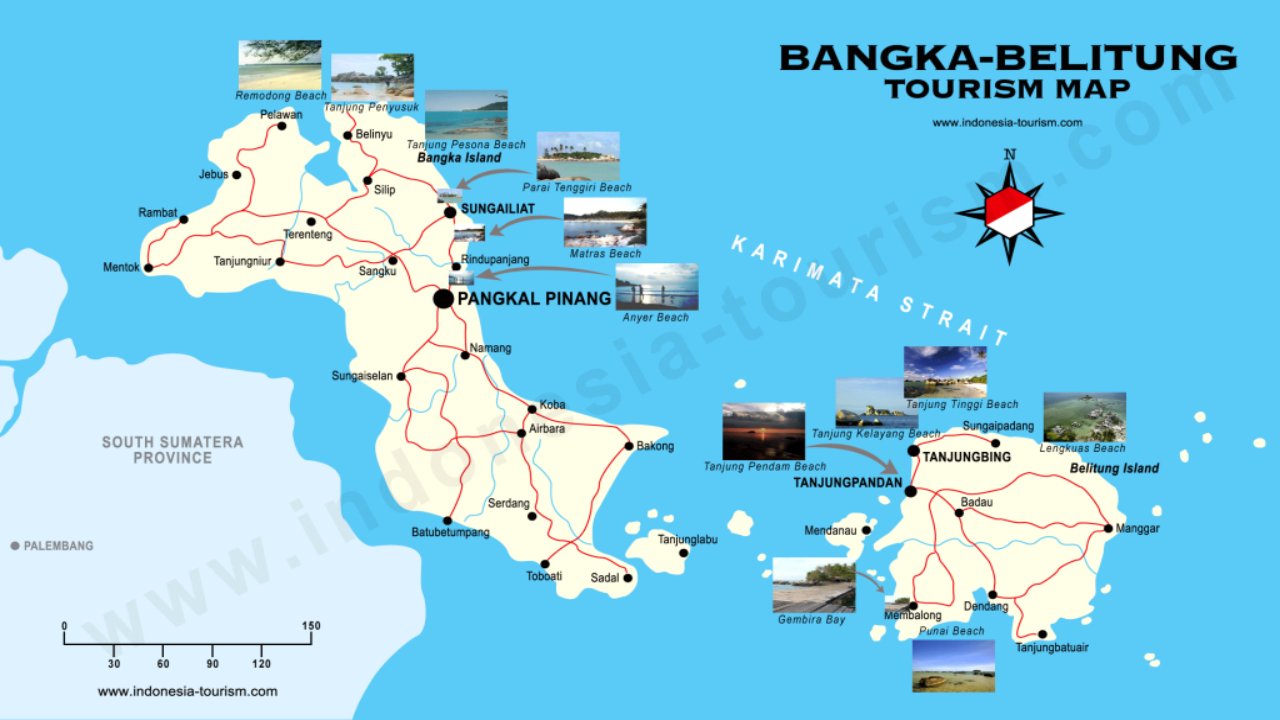
The main gateway to Bangka Island is the Depati Amir Airport in Pangkalpinang. The airport has direct flights from Jakarta, which take about one hour, as well as flights from Palembang and Batam. Upon arrival, the most flexible and enjoyable way to explore the island is by renting a car or a motorbike. A car with a driver is surprisingly affordable and is the most comfortable way to explore the island’s longer distances, especially if you plan to beach-hop. The roads are in good condition between the main towns, but some of the more secluded beaches may be reached by narrow, unpaved tracks. For a short trip, you can also hire taxis or use ride-hailing apps within the city.
Practical Tips for Your Bangka Island Travel
The best time to visit Bangka Island is during the dry season, from April to October, when the sun shines brightly and the sea is perfectly calm for island hopping and snorkeling. The rainy season from November to March brings heavier showers and rougher seas, which can sometimes cancel boat trips to the outlying islands. Pack light, breathable clothing, but be mindful that Bangka is relatively conservative; modest dress outside of the beach areas is appreciated. High-SPF sunscreen, a hat, and insect repellent are essential. Cash is king on Bangka Island. While hotels and larger restaurants in Pangkalpinang accept cards, the smaller warungs, markets, and boat operators operate entirely on cash. Bring sufficient Indonesian Rupiah from your point of entry.
Frequently Asked Questions (FAQ) About Bangka Island Travel
Q1: Is this the same Bangka Island near Manado in North Sulawesi?
No, this is a common and important point of confusion. The Bangka Island in this travel guide is part of the Bangka Belitung province, located off the east coast of Sumatra. It is a large island with cities, towns, and famous granite boulder beaches. The other Bangka Island is a small, undeveloped diving destination off the coast of North Sulawesi. They are completely different places, thousands of kilometers apart. Always check your flight destination: Depati Amir Airport in Pangkalpinang means you’re coming here.
Q2: How many days do I need to explore Bangka Island?
To get a proper feel for the island, plan for at least 4 to 5 full days. This allows one day for the iconic island-hopping trip to Lengkuas and its neighbors, one day for exploring the northern beaches around Sungailiat, one day for the southern and western coastlines, and at least a full day dedicated to the culture and food of Pangkalpinang. If you are short on time, a 3-day weekend trip can hit the absolute highlights but will feel rushed.
Q3: What is the best island to visit for snorkeling?
Pulau Lengkuas is the most popular and offers excellent snorkeling right off its white sand beach. However, for the very best underwater experience, ask your boat operator about nearby Pulau Babi or Pulau Ketawai. These islands are a bit further out, less visited, and their coral gardens are noticeably more pristine and vibrant, teeming with parrotfish, angelfish, and sometimes even sea turtles. A custom island-hopping tour is the way to go.
Q4: Is Bangka Island safe for solo female travelers?
Yes, Bangka is generally very safe for solo female travelers. The local population is warm, honest, and respectful. As with any destination, standard solo travel safety practices apply: avoid walking alone on completely deserted beaches at night, dress respectfully to blend in with the local culture, keep an eye on your drink, and trust your intuition. Booking a well-reviewed guesthouse where the hosts can offer local advice adds an extra layer of comfort.
Q5: What is the local language, and do people speak English?
The primary local languages are Bangka Malay and Indonesian. In hotels, tourist-oriented restaurants, and with boat operators, basic English is often spoken. However, once you leave the main tourist trail, English becomes much less common. The effort of learning a few Indonesian phrases like “terima kasih” (thank you), “berapa harganya” (how much), and “enak” (delicious) will be met with huge smiles and open doors.
Q6: Can I see the tin mining that Bangka is famous for?
Yes, tin mining is still very much a part of Bangka’s landscape. As you drive around the island, you will see old, deep mining pits that have now filled with rainwater and become striking turquoise lakes. Some of these, called Kolong, are quite beautiful from a distance, but swimming in them is not recommended due to the depth and unknown submerged hazards. The Tin Museum in Pangkalpinang provides the safest and most informative way to understand the industry’s profound impact on the island.