




Lake Atitlán Guatemala Travel Guide: Villages, Boats and a 3-Day Itinerary
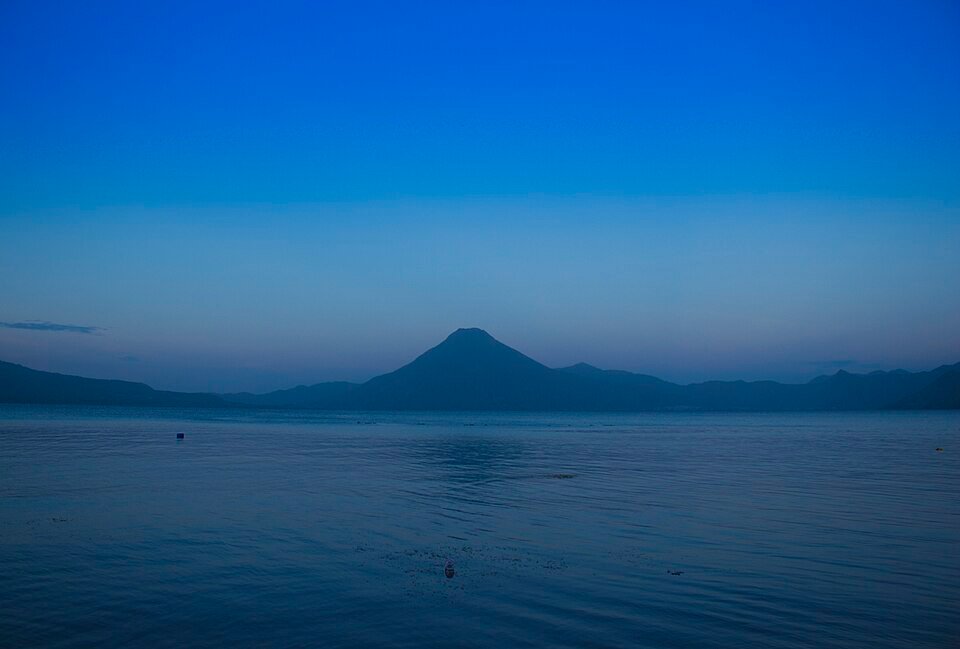
Lake Atitlán is one of Guatemala’s most memorable highland landscapes: a broad volcanic lake surrounded by towns with different languages, crafts, transport connections and styles of accommodation. Planning a visit is less about choosing one universal ‘best village’ and more about deciding where to sleep, how to move between shores and how to avoid missing the last boat back. This guide provides an independently researched three-day framework, practical transport checks and a village comparison; it is not a claim that we have personally stayed at the hotels or tested the boat services.
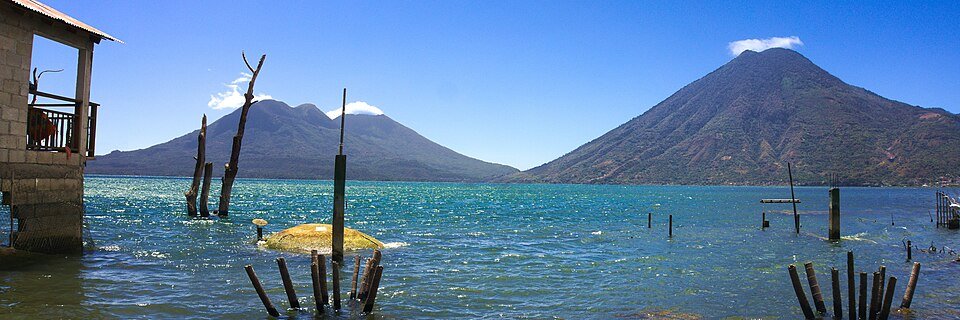
Practical details, verified references and useful decisions: Lake Atitln trip planning at a glance · Which Lake Atitln village should you stay in · How to get to Lake Atitln from Antigua. Read official sources for changing rules and prices.
Lake Atitlán trip planning at a glance
| Question | Practical answer |
|---|---|
| Region | Sololá department, Guatemala |
| Main arrival hub | Panajachel, with road connections from Antigua and Guatemala City |
| Common local transport | Public lanchas (boats), private boats, tuk-tuks and road vehicles depending on village |
| Good duration for first visit | Three nights or roughly three days if your wider itinerary allows |
| Two useful trip styles | Stay in Panajachel for logistics, or stay in a smaller village for a quieter base |
| Key planning risk | Last boat, lake wind, rain and a hotel that is harder to access than it appears |
Which Lake Atitlán village should you stay in?
Guatemala’s destination guide emphasizes that settlements around the lake have their own distinct identities. The primary Indigenous communities in the area include Tz’utujil, Kaqchikel and K’iche’ peoples. Do not treat the villages as interchangeable photo backdrops: markets, workshops and cultural experiences are part of present-day community life, not staged attractions.
| Base | Good fit for | Trade-off |
|---|---|---|
| Panajachel | First-time visitors, onward road transport and easy access to services | Busy tourist activity and less of a village-retreat feel |
| San Juan La Laguna | Art studios, textile cooperatives and culturally focused outings | Hills and stairs; confirm the exact location of accommodation |
| San Pedro La Laguna | Budget-minded social travelers and access to nearby activity | Some areas are lively at night |
| San Marcos La Laguna | Quiet stays, gardens and wellness-oriented activities | Smaller range of major services; access often depends on boats |
| Santa Cruz La Laguna | Peaceful lake views and low-key stays | Steep paths or steps at some accommodations |
| Santiago Atitlán | Community history, markets and locally guided cultural interpretation | Plan boat connections carefully; fewer departures on some routes |
The Guatemala destination guide to the lakeside villages describes the communities and visitor activities, while its Panajachel guide explains why that town works well as the first arrival base.
How to get to Lake Atitlán from Antigua
For most first-time visitors, a door-to-door shared tourist shuttle to Panajachel is straightforward. Private transfers give more control over departure time and luggage arrangements but can cost more; public buses require more familiarity with routes and stations. Ask for a written pickup point, luggage policy, full cost and whether the journey ends at your hotel or in central Panajachel. Road traffic, mountain weather and stops make a tight arrival plan unwise.
From Guatemala City or the airport
Panajachel is commonly approached by road via the CA-1 highway and the turn toward Sololá, as described in the destination guides. Traveling immediately after a long international flight can be tiring, particularly after dark. Compare a verified prearranged transfer against an overnight stay near your arrival point; prioritize a daylight hotel arrival if you need to make an onward boat connection.
From Quetzaltenango (Xela)
Road services link the western highlands and lake region, but travel times depend heavily on the specific bus or shuttle, connections and winding mountain roads. Determine whether the vehicle actually ends in Panajachel, San Pedro or another destination before reserving a hotel on the opposite shore. One transfer is simpler than adding an unplanned boat after dark.
How public boats really work
Public lanchas connect many of the settlements on Lake Atitlán, including Panajachel, Santa Cruz, San Marcos, San Juan, San Pedro and Santiago. The Guatemala destination guide to Santiago notes that some connections are less frequent and that lake wind can disrupt schedules. Another recent visitor overview describes often-used intervals of approximately 15–30 minutes on some routes, but these are not guaranteed departures.
Five questions to ask at the pier
- Does this specific boat stop at my destination or require another transfer?
- What is the fare for my route, and should I pay in cash at the pier or onboard?
- Where is the last confirmed return departure today?
- Is the boat direct, or will it stop at other villages?
- Are wind, rain or current lake conditions affecting departures or safe boarding?
Confirm the current fare and pay method with the operator rather than relying on old blog price charts. Keep small quetzal notes. If someone quotes a private charter price, clarify whether that is the cost for the entire boat or per traveler.
Not every village is best reached by boat
Some shoreline communities have easier road access than boat access. Guatemala’s village overview specifically notes that Santa Catarina Palopó and San Antonio Palopó are commonly reached by road via tuk-tuk or minibus rather than the main public boat routes. This is why choosing the village first and then looking up the specific pier or road is safer than assuming a universal lake boat circuit.
A genuinely workable three-day Lake Atitlán itinerary
Day 1: arrive in Panajachel and learn the transport system
Plan your transfer and hotel check-in with time to spare. Walk near the central lakeside and locate the pier you will use the next morning; more than one jetty or boat company may operate. Confirm fares, current travel conditions and the final return for your chosen route. If you have a mobility limitation, ask about steep paths or boat boarding before leaving. Keep the first evening light rather than trying to cross the lake immediately.
Day 2: San Juan La Laguna, with an optional nearby stop
After confirming the boat, travel to San Juan La Laguna. Focus on one or two meaningful activities: visit a workshop or cooperative that welcomes visitors, learn about local textile or artistic traditions, and allow time to walk the streets and viewpoints without rushing. The San Juan visitor guide describes murals, workshops, cafes and Tz’utujil cultural identity. Ask before taking close-up photographs of workers, ceremonies or private homes. If transport and energy allow, add one nearby village; otherwise return comfortably before the last boat.
Day 3: choose nature, a cultural visit or a relaxed lakeside day
Select a single focus based on your interests. Santiago Atitlán has markets, community traditions and religious sites whose significance is best understood with local context. San Marcos offers a quieter, garden-and-waterfront atmosphere. If you want a gentle day, stay around Panajachel or visit Santa Catarina Palopó by road. Avoid planning to visit four or five villages simply for photographs; transport, waiting and walking consume much more time than a map suggests.

Two-night alternative
With just two nights, choose Panajachel or one accessible lakeside base, spend one full day exploring one village, and keep the final morning for departure. Trying to squeeze in a volcano hike, a lake circuit and a long road transfer can turn a scenic visit into a race. If your itinerary also includes northern Petén, travel there on a different day and consider our Yaxhá Mayan ruins guide for that region.
Boat safety, swimming and mobility
Wind can produce rougher conditions than travelers expect on a mountain lake. Ask if life jackets are available and properly sized, board only when the operator considers conditions safe, and avoid overloaded boats. If wind, storms or poor visibility develop, postponing the crossing is better than forcing a fixed itinerary. Do not automatically assume the water is safe for swimming at any pier: check local conditions, boat traffic and any water-quality or sanitation advisories. Keep phones and important papers in a water-resistant bag.
Lakeside villages can have steep cobbled streets, steps down to jetties and uneven paths. If wheelchair access, step-free boarding or another accommodation is essential, contact your lodging and operator with specific questions before paying. ‘Lake view’ is not a substitute for a practical accessibility description.
A budget worksheet without invented local prices
| Budget line | Questions to price |
|---|---|
| Arrival/departure transfers | Shared vs private; hotel pickup; luggage fees |
| Accommodation | Nightly amount, final taxes, steps/accessibility, cancellation |
| Boats | Every individual route and the return fare |
| Food | Meals, drinking water, dietary needs |
| Activities | Guide fee, workshop charges, permits or donations where appropriate |
| Contingency | Weather delay, extra boat or emergency transfer |
A fictional three-night example could contain Q900 for lodging, Q500 for transfers, Q300 for boats, Q480 for meals and Q300 for guided activities—a total of Q2,480 before extra purchases. Those values are illustrative numbers only, not verified local prices or offers. A real budget should use dated quotes from your lodging and operators. Leave a reserve because bad weather or missed transport can create unexpected expenses.
Cultural respect and tourism with local benefit
A workshop visit is valuable when the host wants visitors, sets clear terms and receives appropriate compensation. Ask before taking photographs or entering a private space. Religious traditions and community ceremonies should never be treated as public performances by default. Buy directly from makers when possible, understand that haggling is optional rather than a requirement, and respect restrictions on drones and sacred locations. Learn which community you are visiting instead of assigning a single identity to every village.
When to go and what to pack
The relatively drier period can make road connections, walking and outdoor activities easier, but Lake Atitlán can be visited at different times of year. During wetter periods, leave a flexible day or extra time for weather-related boat interruptions. Temperatures can shift between sunny lake afternoons and cooler evenings in the highlands. Check a weather forecast for the actual village and visit date.
- Light layers and a waterproof jacket.
- Comfortable walking shoes with traction for uneven streets.
- Sun protection, refillable water container and necessary medicines.
- Cash in small Guatemalan denominations for local boats and markets.
- Waterproof pouch for your phone, documents and cash.
- Offline map, hotel contact details and a realistic backup plan if the last boat is cancelled.
Frequent mistakes when organizing the lake
- Booking a hotel solely for its lake view without checking the stairs or pier access.
- Treating every public boat route as hourly and guaranteed.
- Arriving late after a road transfer and assuming boats are still running.
- Comparing hotel prices without transfer costs or cancellation rules.
- Taking photographs of residents without permission.
- Planning a strenuous high-altitude hike without checking conditions, guide needs and fitness.
- Trying to visit too many villages in one day and missing meaningful local experiences.
Frequently asked questions
Is Panajachel the best place to stay?
It is often the easiest first base for transport and services. A quieter village may suit a longer stay, but check the boat and luggage logistics first.
Do public boats have fixed schedules?
Some popular routes operate frequently, but intervals vary with passengers, weather and route. Always ask for the last boat at the departure pier on the day itself.
How many days should I spend at Lake Atitlán?
Three days allow a comfortable arrival, an organized cultural outing and another flexible exploration day. A shorter visit can work if you choose fewer stops.
Can I visit Santa Catarina Palopó by public boat?
Do not assume there is a main public boat service. Plan the road link by tuk-tuk or minibus as suggested by the current village guides.
Is it safe to swim in the lake?
Conditions differ by location and date. Ask locally about water quality and safe swimming areas; avoid jumping from busy piers and entering during storms or unsafe boat traffic.
Research sources and editorial note
This guide draws on the Panajachel destination information, the Lake Atitlán villages overview, the San Juan village guide and the Santiago visitor guide. Transport schedules and weather may change. Cen Xianyuan has not independently tested a boat, personally stayed in accommodation or conducted field interviews for this article. Readers should confirm current routes and access directly with operators.
Information is provided for general guidance. Verify current rules, availability and individual terms with the official organizations linked in this guide.