


AC Not Blowing Cold Air? Causes, Safe Checks and When to Call a Pro
An air conditioner that runs but does not cool may have a simple airflow problem—or a refrigerant, electrical or mechanical fault that needs professional service. The safest first steps are to confirm settings, check accessible filters and observe the symptoms without opening electrical panels or handling refrigerant. This guide separates homeowner checks from repairs that belong to trained HVAC technicians.
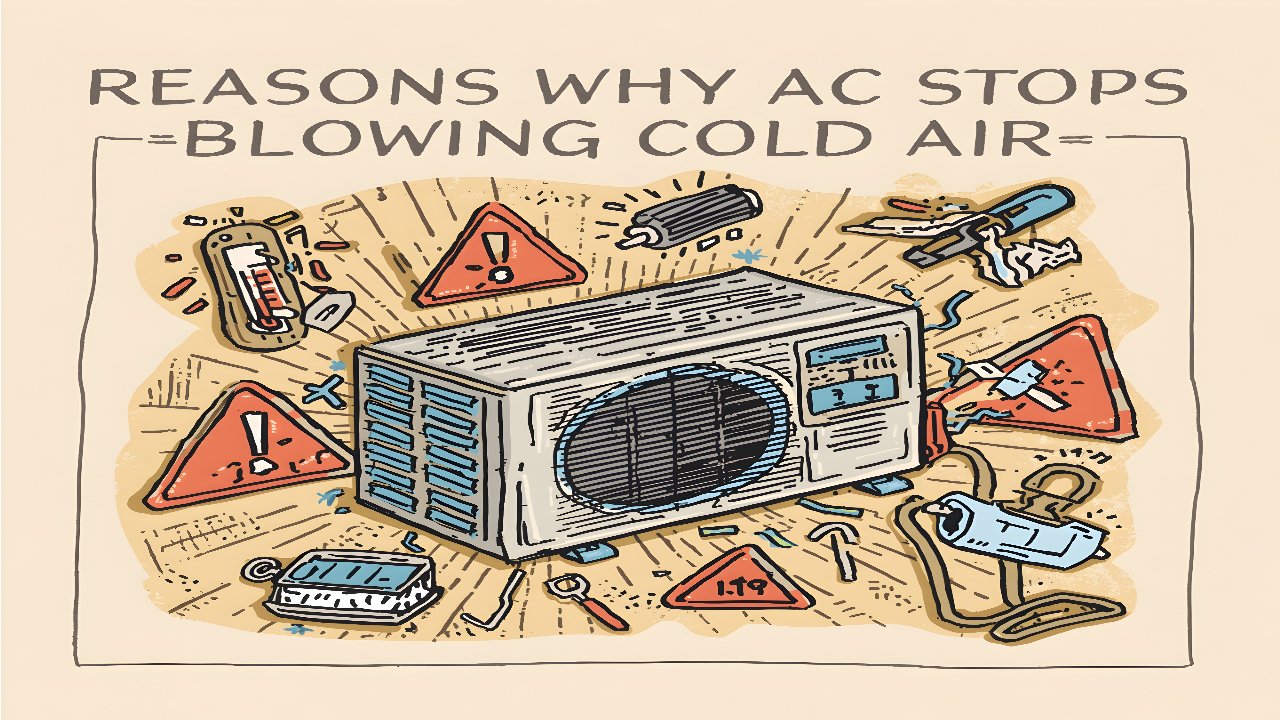
Start with these safe checks
- Set the thermostat to cooling mode and choose a target lower than the room temperature. If it is battery-powered, check whether batteries need replacement.
- Allow the system reasonable time to respond. Avoid repeatedly switching modes in rapid succession.
- Confirm that supply vents and return-air grilles are not blocked by furniture or curtains.
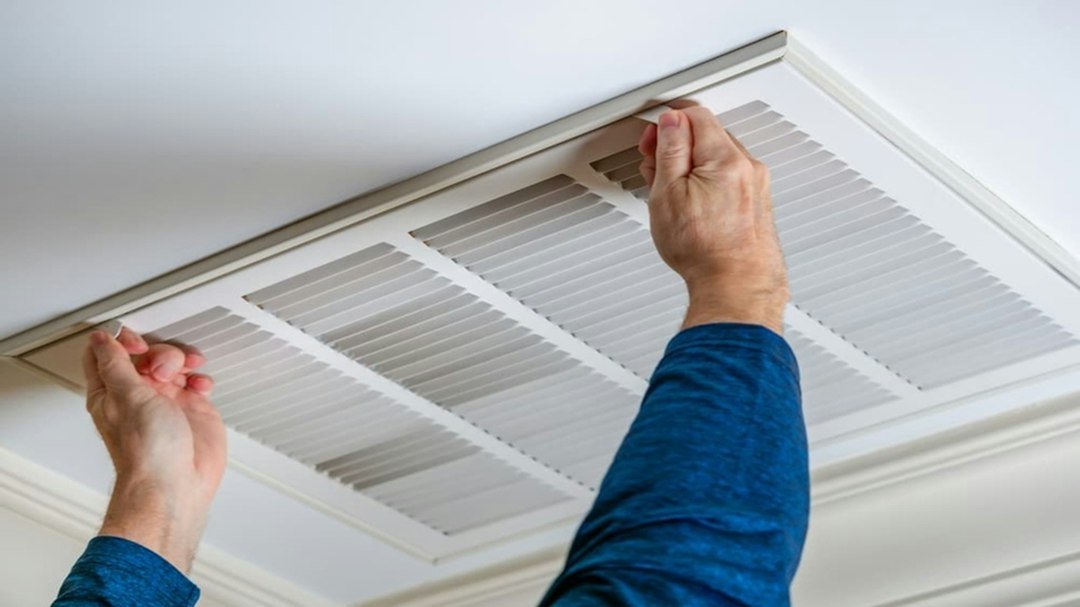
- Check the accessible air filter using the manufacturer’s instructions. Replace a disposable dirty filter or clean a reusable one as directed.
- For an outdoor condenser, remove loose leaves and clutter from the surrounding area only when it is safe. Do not remove guards or access panels.
- Look for error codes, unusual noises, ice buildup, water leaks or a burning smell, and record what you notice.
Symptom-by-symptom troubleshooting
The fan blows air, but it is warm
Possible explanations include an incorrect thermostat setting, restricted airflow, a dirty coil, low refrigerant from a leak or a compressor issue. Check the mode and filter first. If cooling still does not return, a technician can measure temperatures and pressures and diagnose the system rather than guessing at refrigerant quantity.
Airflow is weak
A blocked return, dirty filter, malfunctioning blower or duct problem can reduce circulation. Check visible obstructions and the accessible filter. Ductwork or blower repairs should be handled by qualified personnel.
Ice is visible on the indoor unit or pipes
Ice can be associated with low airflow or refrigerant-related problems. Turn off cooling and follow the manufacturer’s instructions; do not chip ice or use sharp tools. If water or ice is near electrical equipment, avoid touching it and contact a professional. Do not restart cooling repeatedly while the cause is unresolved.
The system does not start
Check safe user-level controls such as thermostat power and the chosen operating mode. If a breaker trips again, stop resetting it and call an electrician or HVAC technician. Repeated trips can indicate an electrical fault.
There is water near the indoor unit
A drainage obstruction, condensation issue or frozen coil may cause leaks. If water is close to electrical components, shut down the system when safely possible and arrange professional assistance. Protect floors and belongings without handling live electrical equipment.
What not to fix yourself
- Do not open electrical compartments, capacitors or control cabinets.
- Do not top up refrigerant or try to seal refrigerant lines yourself.
- Do not bypass interlocks, disconnect safety switches or repeatedly reset a tripping breaker.
- Do not use high-pressure washing or aggressive chemicals on coils unless the manufacturer specifically permits a procedure.
- If you smell burning, see smoke or suspect an electrical hazard, stop using the system and follow local emergency safety guidance.
When to call an HVAC professional
Arrange service if the unit still produces warm air after the basic checks, shows ice, trips a breaker, leaks near wiring, makes grinding or electrical noises, or requires any work involving refrigerant, controls or sealed equipment. Describe the unit type, age if known, error codes, symptoms and maintenance history. Ask for a written diagnosis and cost estimate before approving major repairs.
Maintenance checklist for more reliable cooling
- Inspect air filters at least monthly during heavy-use periods and follow the manufacturer’s cleaning/replacement interval.
- Keep vents clear and maintain unobstructed space around outdoor equipment.
- Use appropriate thermostat schedules rather than overcooling the room unnecessarily.
- Book periodic qualified maintenance to inspect coils, airflow, drain lines, electrical operation and refrigerant charge if indicated.
- Record when filters were changed and any recurring symptoms; this can make diagnosis faster.
ENERGY STAR recommends monthly filter inspection and professional maintenance. Its heating and cooling maintenance checklist describes the kinds of tasks a contractor should perform. The U.S. Department of Energy home-cooling guide explains common filter, thermostat and refrigerant problems.
Frequently asked questions
Can a dirty filter stop an AC from cooling?
Yes, a clogged filter restricts airflow and can reduce cooling performance. Replace or clean it as the manufacturer directs, but seek service if cooling remains poor.
Does an AC need refrigerant every year?
A properly functioning sealed refrigerant circuit should not need routine top-ups. Suspected low refrigerant may indicate a leak or another fault that requires a qualified technician.
Should I keep running an AC with ice on the pipes?
No. Stop cooling and investigate safely following the equipment manual. For repeated freezing, arrange a professional diagnosis rather than forcing the system to run.
Does this advice apply to window, split and central AC systems?
The basic checks are similar, but components, filters, error codes and permitted user maintenance differ. Always follow your model’s manual and local electrical safety rules.
Bottom line
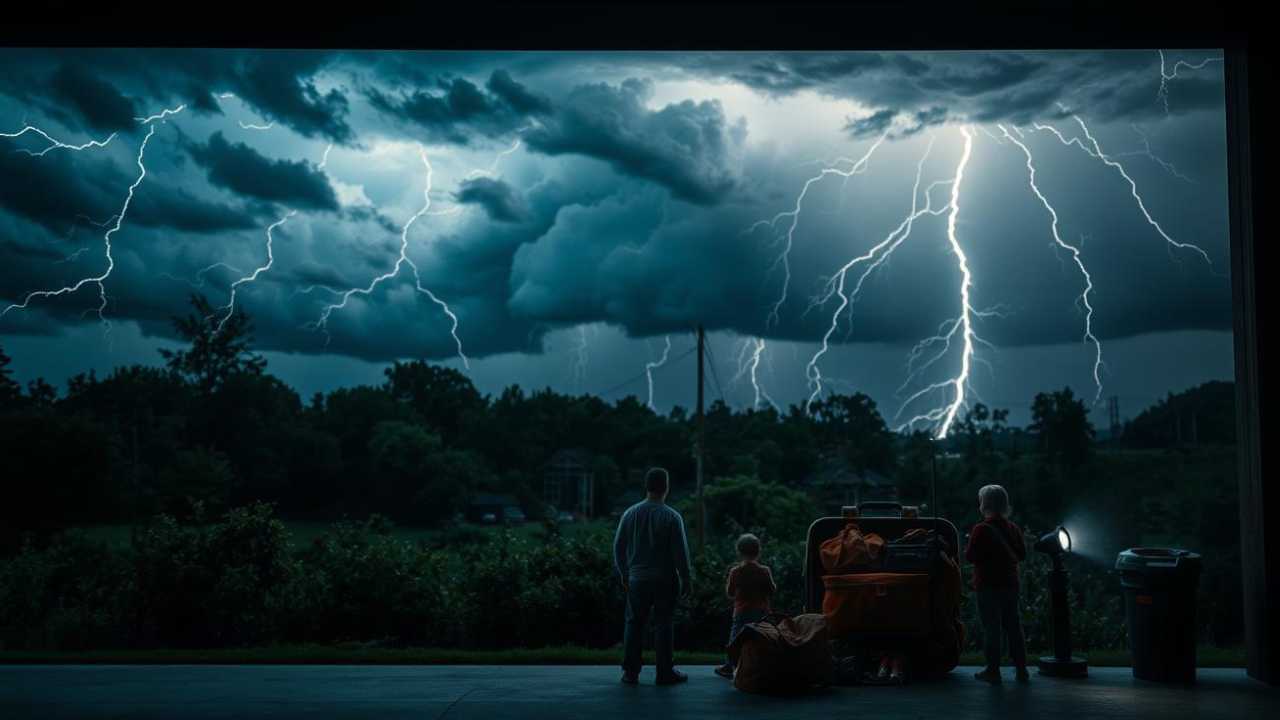
Start with thermostat settings, accessible filters and blocked airflow, then stop if signs point to electrical faults, refrigerant problems or equipment damage. A systematic, safety-first diagnosis saves time and avoids risky guesswork. This article provides general maintenance information, not an individualized repair assessment. If a power cut or lightning storm caused the equipment to stop, review our thunderstorm safety guidance and never work on electrical equipment in unsafe weather.