



Telegraph247 Lifestyle News: How to Check Sources and Trustworthiness
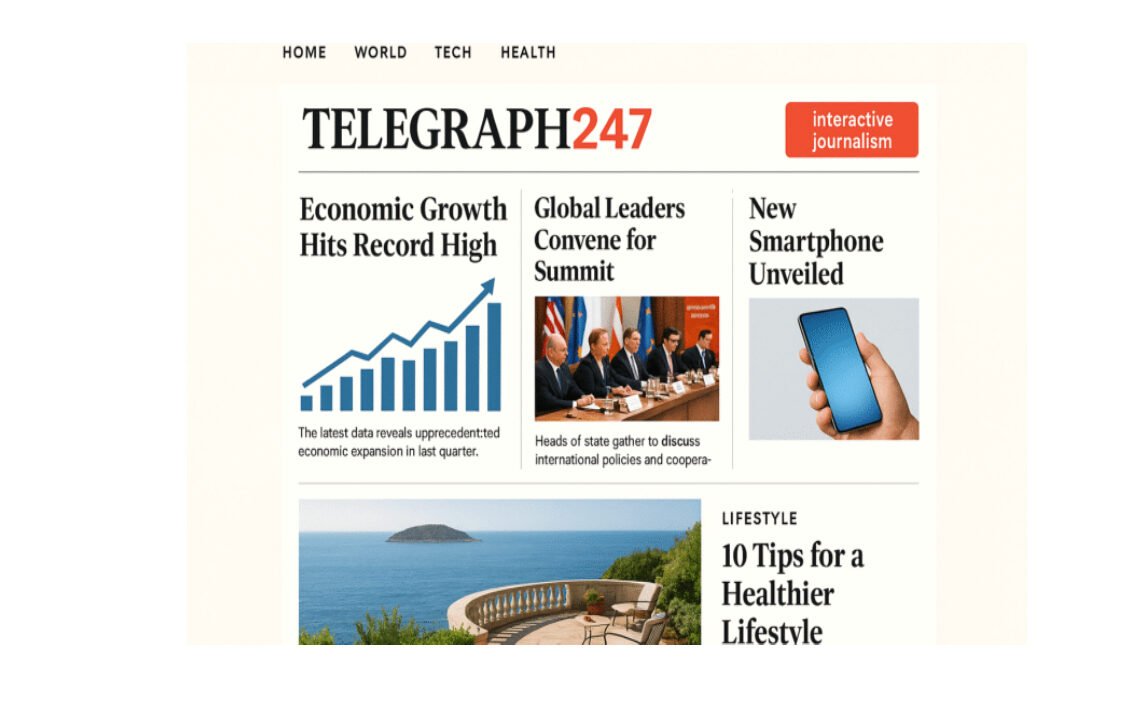
Telegraph247.com is an online site carrying material under multiple sections, including news and lifestyle. If you find a wellness tip, product recommendation or travel story through this site, the responsible question is not whether its headlines sound exciting but whether the particular claim has a traceable source, a named author, a publication date and enough context to act on safely. This independent media-literacy guide explains how to evaluate lifestyle coverage using Telegraph247 as an example. It is not associated with the website and does not verify every item it publishes.
What can readers find on Telegraph247?
The Telegraph247 homepage has presented categories such as World, US, Lifestyle, Travel, Technology and other news topics. The mix of topics can change. A category label, attractive photo or familiar brand mentioned in an article does not establish that the report is original, accurate, independently verified or safe to follow. Evaluate each article on its own merits.
A practical checklist before trusting a lifestyle article
| Check | What to look for | Why it matters |
|---|---|---|
| Author | Real byline, expertise where relevant and contact/editorial information | Anonymous or vague sourcing makes correction harder |
| Date and updates | Publication date and clearly identified revisions | Prices, products, laws and health guidance can change |
| Original evidence | Direct interviews, official documents, studies or firsthand reporting | Rewritten stories can omit important context |
| Source links | Links that support the actual claim rather than unrelated pages | Allows independent checking |
| Advertising disclosure | Clear distinction between editorial and compensated promotion | Helps readers recognize commercial incentives |
| Correction process | Working contact channel and visible correction or update notes | Shows that errors can be addressed |

Evaluating wellness and health advice
Wellness reporting can mention nutrition, supplements, sleep or fitness, but popular advice is not the same as individualized medical care. For a health claim, check whether it cites an appropriate health authority, a qualified clinician or a well-conducted study, and whether it accurately describes who was studied. Be wary of guaranteed results, missing side-effect information and stories that turn one personal experience into universal advice.
Evaluating travel and destination stories
A travel article can be useful for inspiration, but practical information needs extra scrutiny. Check current visa and entry rules with official government sources, transportation timetables with operators, and attraction opening hours with the venue. Treat descriptions such as ‘hidden gem’, ‘best deal’ and ‘budget-friendly’ as subjective until supported by dates, costs and usable directions.
Recognizing recycled or syndicated news
- Look for a publisher or agency credit near the byline, headline or end of the article.
- Search a distinctive sentence or claim to locate an original report and its publication date.
- Check whether images are credited to a real photographer, agency or licensing source.
- Compare a claim with primary evidence rather than treating multiple copies of the same report as independent confirmation.
- Check whether a quoted expert can be identified and whether their remarks have been represented fairly.
A worked example: evaluating a product roundup
Imagine an online lifestyle site publishes ‘five best travel bags’ with prices and photos. Before relying on that advice, ask whether the author personally inspected the bags, how each was selected, what sizes were compared and whether commissions could be earned from purchase links. If the article contains only product descriptions available from retailers, treat it as a catalog summary rather than firsthand product testing. Do not infer hands-on testing without explicit evidence.

How to distinguish reporting from opinion and promotion
A report should identify evidence supporting verifiable statements. Opinion may be subjective but should still distinguish facts from commentary. Sponsored material should be conspicuously identified. The Society of Professional Journalists Code of Ethics provides useful voluntary principles including verifying information, identifying sources and distinguishing news from advertising. These are professional standards, not a certification of any particular publisher.
What to do when a claim looks inaccurate
- Keep the headline, URL, date and claim you are checking.
- Locate the original document, company announcement or study mentioned in the story.
- Check an independent, reputable source to see whether the core facts match.
- Where relevant, contact the publisher with a specific correction request.
- Avoid sharing sensitive personal information, financial details or passwords through unknown contact forms.
Related reading on Cen Xianyuan
For a concrete example of checking dates and primary statements, see our Stranger Things release guide; entertainment release schedules are a good example of information that can become outdated quickly. For a more general perspective on creating verifiable content, see our editorial and SEO agency checklist. Neither guide constitutes an endorsement of a third-party news publisher.
Frequently asked questions
Is every lifestyle article on Telegraph247 reliable?
Reliability cannot be established sitewide from a name or homepage. Evaluate individual stories, author credentials, primary sourcing and correction history.
Are lifestyle news and professional medical advice equivalent?
No. Lifestyle articles can introduce ideas but should not replace qualified medical advice or primary health guidance when decisions affect safety.
Can sharing news links improve SEO automatically?
No. Publishing or exchanging links solely to manipulate rankings can breach Google spam policies. Link to sources because they help readers verify information, not to create artificial authority.
Sources and editorial note
Reference: Telegraph247 homepage, the SPJ Ethics Code and Google Search spam policies. This guide discusses how to judge an online publication; Cen Xianyuan is not affiliated with Telegraph247, does not endorse every article it hosts and has not independently audited its newsroom.