
Oh Em Gee Blog: Meaning, Content Ideas and a Practical Blogging Guide

“Oh em gee” spells out the expression “OMG,” usually meaning surprise or excitement. Online, “Oh Em Gee Blog” is an ambiguous phrase: it can describe an informal, personality-led blog or refer to a publication with a similar name. It is not a verified official category, a single universally recognized brand or proof that a particular website is popular. If you want to build a playful lifestyle blog, the useful questions are what readers will find, what first-hand material you can share, and how visitors can check your claims. This independent guide offers a concrete planning framework rather than unsupported claims about a specific blog’s history or traffic.
First, identify which “Oh Em Gee” blog you mean
If you are looking for a specific website, check its exact URL, domain ownership details where available, current About page, author names, publication dates and contact information. Multiple unrelated sites and articles use similar wording. Do not assume they share a publisher, founder or editorial standards simply because their names sound alike.
What makes an informal lifestyle blog genuinely useful?
- Original perspective: a real experience, comparison, observed result or honestly labeled opinion rather than a generic trend summary.
- Clear topic: readers should know whether a post is about an outfit, recipe, entertainment event, travel experience or personal reflection.
- Practical details: useful examples, photos, measurements, costs, trade-offs or a replicable process when appropriate.
- Transparent authorship: a byline with accurate background and an accessible corrections/contact option.
- Accessible design: headings, readable text, meaningful alt text and mobile-friendly navigation.
- Editorial honesty: labels for sponsored material, borrowed images, affiliate links and untested product claims.
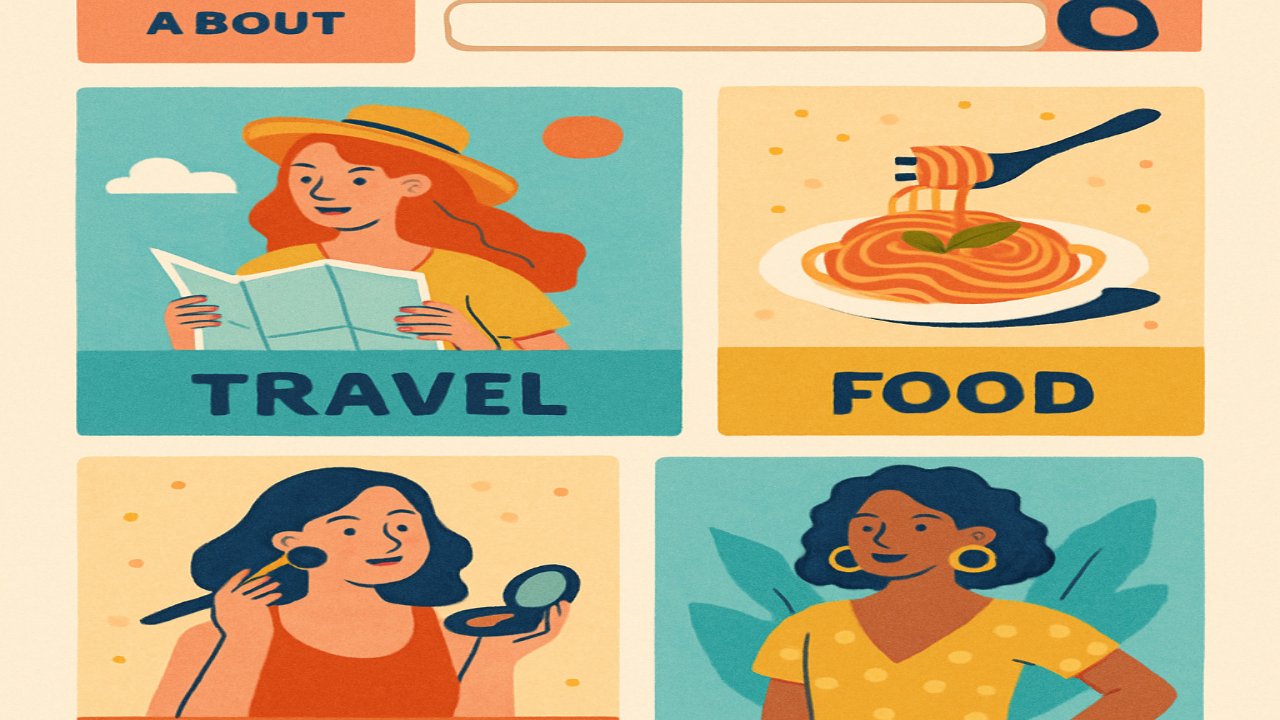
Choose a narrow angle before writing
| Blog direction | Sample useful article | Original evidence to gather |
|---|---|---|
| Budget style | One-week capsule outfit with a stated budget | Actual wardrobe items, prices paid and fit notes |
| Simple food | A 20-minute snack with measured ingredients | Real recipe steps, tested cook time and substitutions |
| Local outings | A public park visit on a rainy day | Real transport choice, accessibility details and observations |
| Entertainment | A spoiler-light review of a film | What you watched, a thoughtful opinion, production credits |
| Personal projects | Three approaches to a small organizing problem | Before/after process and drawbacks for each approach |
Do not claim to have visited a place, cooked a recipe or tested a product unless you did. If an article is researched rather than experienced, label it as a researched guide and link to the evidence supporting any important facts.
A reusable article blueprint
- Open with the specific problem the reader wants to solve in two or three sentences.
- State what you personally tried and what is based on external information.
- Give concrete steps or comparisons, not broad claims such as “this changes everything.”
- Add evidence where it matters: a relevant original photograph, document, measurement, product label or official source.
- Explain limitations, trade-offs, common mistakes and who might not benefit.
- Close with an honest summary and a visible publication/update date when details can change.
Example: turn a generic beauty headline into a useful post
A headline like “Amazing Skin Tips You Must Try” promises little. A more informative structure would compare the exact products used, disclose the author’s skin-type limitations, describe the routine, list ingredient and allergen cautions, and clearly distinguish personal impressions from medical advice. Avoid unsupported claims about treating skin conditions. When a product has not been tried, treat the piece as a researched ingredient overview rather than a review.
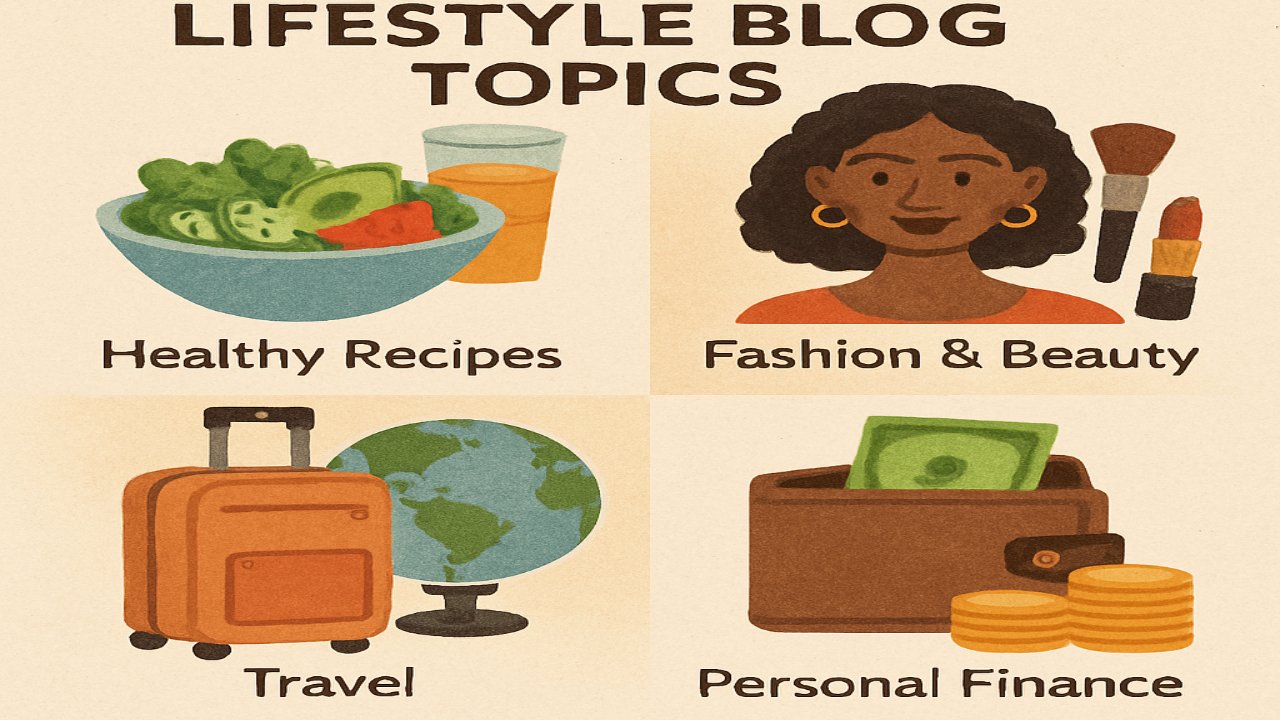
Make your site understandable for first-time visitors
A homepage should make its purpose obvious. Provide a descriptive title, meaningful topic navigation and links to About, Contact and relevant policy pages. Each post should have a clear byline; an author page should explain truthful experience or responsibility without inventing qualifications. A visitor should not need to dismiss intrusive pop-ups merely to read the main article.
Search basics without writing only for search engines
Google’s people-first content guidance recommends original information, insightful analysis and clear attribution, and asks site owners to consider who created a page, how and why. An SEO-friendly title can help explain a topic, but stuffing phrases into every heading or creating near-duplicate posts does not create reader value. Add links when they help the reader find relevant information, not solely for ranking credit.
Images, licensing and personal privacy
- Use original photographs when possible and state honestly when images are illustrative.
- Keep the license and attribution details for third-party photographs; attribution alone may not grant reuse rights.
- Ask permission before featuring someone’s image or identifying details.
- Describe the information conveyed by nondecorative images in alt text; avoid keyword stuffing.
- Compress large images and use suitable dimensions so mobile readers do not wait unnecessarily.
A realistic four-week publishing plan
| Week | Work | What to check |
|---|---|---|
| 1 | Decide on a narrow audience and make a list of ten genuine reader questions | Can each planned post offer something specific? |
| 2 | Research, document or test your first two topics | Do you have evidence, observations and rights to every image? |
| 3 | Publish and review readability, links and mobile navigation | Can a newcomer understand the posts and find your policies? |
| 4 | Check feedback, correct errors and improve confusing sections | Were the pages helpful, and what should be updated? |
Common reasons a lifestyle blog feels generic
- Vague phrases (“a game-changer”, “takes the world by storm”) with no evidence.
- Endless lists of benefits without steps, examples or limitations.
- Copying another site’s photos and implying they show your own experience.
- Making up expert credentials, travel histories, customer testing or sales figures.
- Producing several articles that answer the same question with only different keywords.
- Old information presented as current without a date or source.
Frequently asked questions
Does “Oh Em Gee Blog” refer to one official site?
Not necessarily. The phrase is used in different contexts. Verify the exact domain and publisher when you mean a particular publication.
Do I need to publish every day to build a useful blog?
No. A smaller number of independently useful articles can serve visitors better than daily generic posts. Consistency matters less than accuracy and satisfying the reader’s purpose.
Is AI-written content automatically forbidden by Google?
No blanket rule prohibits AI-assisted writing. Google emphasizes useful content, transparency and the purpose behind publishing. Editors remain responsible for verifying claims, avoiding misrepresentation and adding genuine value.
Can I use a photo if I give credit?
Not always. A credit line is different from permission or a license. Check the applicable rights and terms before publishing.
Editorial disclosure and further reading
This article is an independent explanation and practical blog-planning worksheet; it is not a review of a specific “Oh Em Gee” website and does not claim personal testing. Guidance is informed by Google Search Central and WordPress documentation. For an example of evaluating whether an online article is well sourced, read our online source-verification guide.