




Luxor West Bank Guide: Valley of the Kings, Tickets and Day Plan
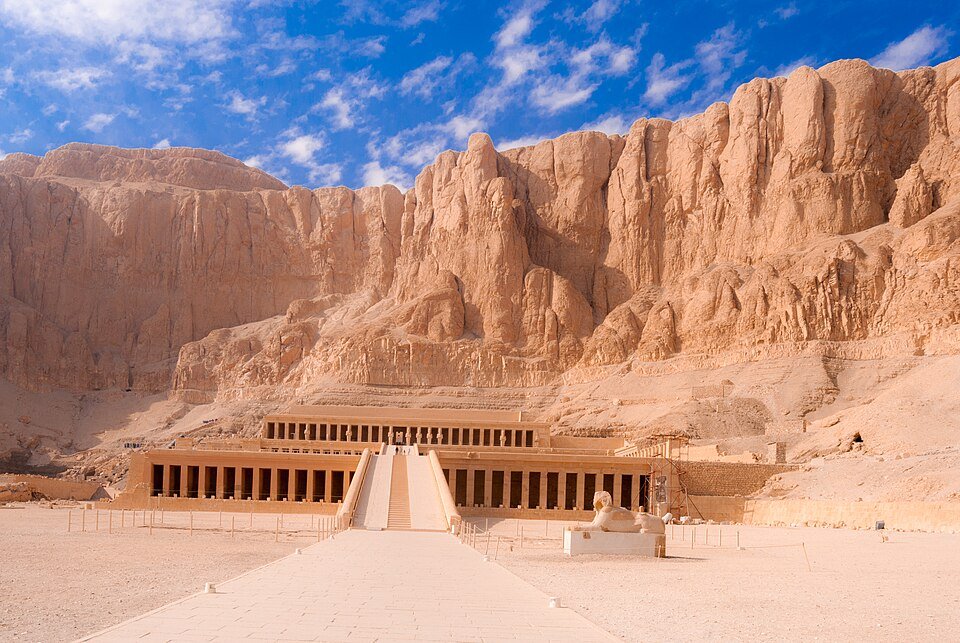
Luxor’s West Bank is a vast landscape of ancient royal tombs, mortuary temples and desert scenery. The Valley of the Kings, the Temple of Hatshepsut and Medinet Habu are not one combined museum: they have separate entrances, distances, tickets and visiting conditions. This independent guide explains how to plan a worthwhile archaeological day without inventing current ticket prices, personally tested tours or guaranteed entry.
Practical details, verified references and useful decisions: West Bank at a glance · How to reach the West Bank from Luxor · Valley of the Kings tickets explained. Read official sources for changing rules and prices.
West Bank at a glance
| Site | What to see | Check before visiting |
|---|---|---|
| Valley of the Kings | New Kingdom royal tombs and painted corridors | Standard versus special tomb tickets |
| Hatshepsut Temple | Terraced mortuary temple beneath cliffs | Outdoor heat, access and separate ticket |
| Medinet Habu | Large temple complex and reliefs | Hours, visitor entrances and transportation |
| Valley of the Queens | Royal family tombs | Separate access and premium tomb rules |
| Colossi of Memnon | Monumental seated statues | Road access and protection boundaries |
UNESCO’s Ancient Thebes with its Necropolis describes this remarkable archaeological landscape and the distinction between East Bank temples and West Bank funerary complexes.
How to reach the West Bank from Luxor
Visitors staying on the East Bank normally cross the Nile using a bridge or boat/ferry and then travel by road to the monuments. The Nile crossing alone does not take you to the Valley of the Kings. Arrange transport that includes the sites you actually plan to visit and confirm the precise pickup location for the return.
Private driver
A driver may suit travelers who want flexibility. Agree on total hours, fuel, parking and bridge charges, waiting time, air conditioning and which monuments are included. A driver is not automatically a licensed Egyptologist or archaeological guide; if interpretation matters, ask whether a qualified guide is included and what that costs.
Organized tour
Compare actual stops, maximum group size, entrance tickets, guide service and pickup arrangements before paying. Tours may sell a broad “West Bank” description without covering premium tomb tickets. Get inclusions and cancellation terms in writing, and avoid anyone promising access that conflicts with official rules.
Valley of the Kings tickets explained
A standard entrance ticket does not automatically grant access to every royal tomb. Selected tombs may have distinct premium tickets, and some may be closed for conservation or maintenance. Confirm the current tickets, available tombs, visitor hours and photography conditions through Egypt’s official monument ticket portal and onsite notices. Do not base a budget on old blog rates.
Inside a decorated tomb, observe the painted walls without touching, flash photography or entering restricted sections. These interiors are vulnerable to changes in temperature, humidity and heavy visitor traffic. Tourists with claustrophobia, breathing problems or mobility limitations should ask about the route, stairs and ventilation before entering.
The Temple of Hatshepsut
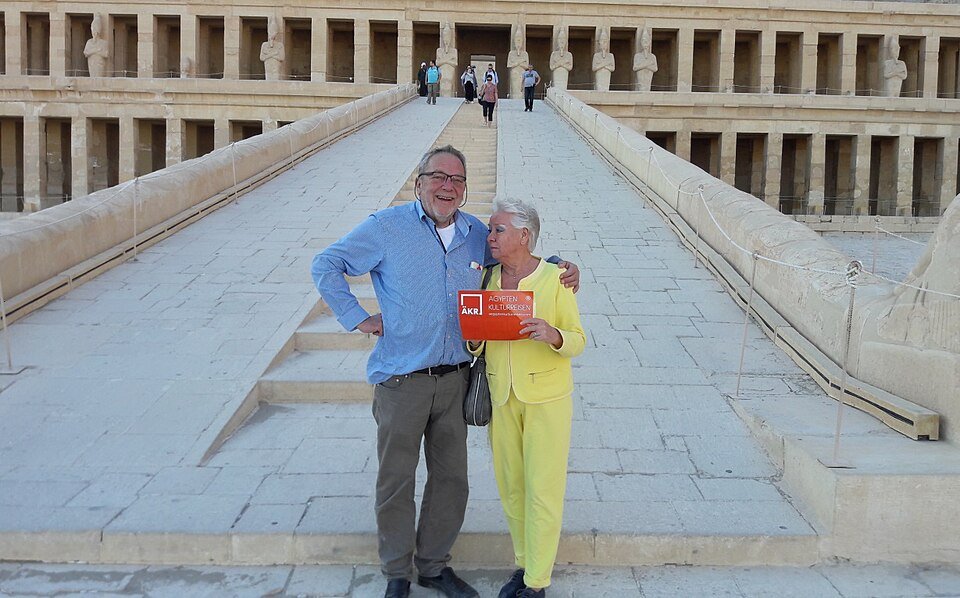
This extraordinary terraced mortuary temple rises against the cliffs at Deir el-Bahari. It is particularly exposed to sun. The approach involves walking, and some parts have steps and slopes. Its monumental architecture offers a different experience from a royal burial corridor. Allow time to understand the site’s history rather than visiting only for a quick photograph; follow posted restrictions protecting architectural surfaces.
Medinet Habu and the Valley of the Queens
Medinet Habu is especially rewarding to visitors interested in monumental reliefs and temple architecture. The Valley of the Queens is a distinct tomb complex with its own ticket rules; particularly significant tombs may require additional admission or have conservation-related restrictions. If this is your first West Bank day, choose one secondary site rather than making an exhausting list of every monument.
Suggested one-day route
| Time of day | Plan | Reason |
|---|---|---|
| Early morning | Valley of the Kings | More comfortable exploration before peak heat |
| Late morning | Hatshepsut Temple | Major separate outdoor monument |
| Midday | Lunch, water and shade | Reduce heat stress and fatigue |
| Afternoon | Medinet Habu or Valley of the Queens | One focused additional attraction |
| Before closing | Return to agreed transfer point | Avoid missed transport or rushed admission |
This itinerary is illustrative, not a timetable. Adjust to the monuments’ current hours, the health and energy of your group and any temporary closures.

How much money should you set aside?
Ask for separate quotes for return transport, guide, individual monument tickets, special tomb admission, bottled water, food and any permitted fees. A driver price per vehicle is not the same as a tour price per person. For a purely hypothetical calculation, EGP 1,000 transport + EGP 600 tickets + EGP 300 food/water = EGP 1,900. These are invented planning numbers, not current official prices. Use the official ticket portal for dated rates.
Heat, accessibility and comfortable viewing
- Start early and avoid the most exposed walking in peak heat where possible.
- Bring water, a hat, sun protection and secure walking shoes.
- Check which tombs have steep staircases, narrow passages or poorly ventilated areas.
- Do not assume wheelchairs can enter every tomb or temple route; inquire in advance.
- Respect barriers, conservation closures and photography notices.
- Store driver contact information offline and agree on a clear return meeting point.
- Allow extra time for ticket lines, rest breaks and changes to the monument schedule.
Should you stay East Bank or West Bank?
The East Bank can simplify railway connections, city-center services, Karnak and Luxor Temple visits. West Bank lodging may suit travelers focused on quiet accommodation or archaeology, but the room’s exact location and the Nile crossing affect access to restaurants, stations and onward transport. Compare your plans for the whole trip, not just a hotel’s view.
Combining Luxor with Cairo
Cairo and Luxor should be treated as separate legs of an Egypt trip. See our Cairo to Luxor transport guide for trains, sleeper services, domestic flights and foreign-passenger booking cautions. If you arrive after a poor night’s sleep on a train, delay a demanding outdoor tour until you are rested.
Common planning mistakes
- Assuming one ticket covers every tomb and temple.
- Booking transport without agreeing on return collection.
- Ignoring midday heat and the need for shade or water.
- Buying a special tomb ticket without checking its availability.
- Confusing East Bank temples with West Bank locations.
- Taking unauthorized photographs or touching ancient wall decoration.
- Choosing too many far-apart stops with no allowance for travel time.
Frequently asked questions
How many tombs are included?
The selection depends on the current standard ticket and which tombs are open. Ask official ticket staff rather than trusting an undated fixed list.
Can I walk between all West Bank attractions?
They are separate sites across a desert landscape. For most visitors, reliable ground transport is more sensible than trying to walk the whole circuit.
Do I need an Egyptologist guide?
A licensed guide can explain archaeological context but is not the same as a vehicle driver. Confirm qualifications, the sites covered and full payment terms.
Is photography always allowed inside tombs?
No. Restrictions differ and can change; follow each site’s posted rules.
Is one day enough?
One day works for a selected set of major sites. A second day offers a more relaxed visit to additional tombs and temples.
Research sources and editorial transparency
References: UNESCO Ancient Thebes and official Egyptian monument tickets. Photos are Commons CC0 images credited above; itinerary diagram is original. We have not independently tested a driver or inspected tomb conditions, and all opening hours, tickets and prices should be verified before travel.
Information is provided for general guidance. Verify current rules, availability and individual terms with the official organizations linked in this guide.