





AC Not Blowing Cold Air? Here Are the Top Reasons and Quick Fixes You Must Know!
AC not blowing cold air is a common issue caused mainly by low refrigerant levels, dirty air filters, frozen evaporator coils, thermostat problems, or dirty condenser coils. Diagnosing the exact cause helps apply practical fixes like checking thermostat settings, replacing filters, cleaning coils, or calling a professional for refrigerant leaks and mechanical repairs. Preventive maintenance such as regular cleaning and timely professional checkups can avoid most problems and keep your AC cooling effectively.
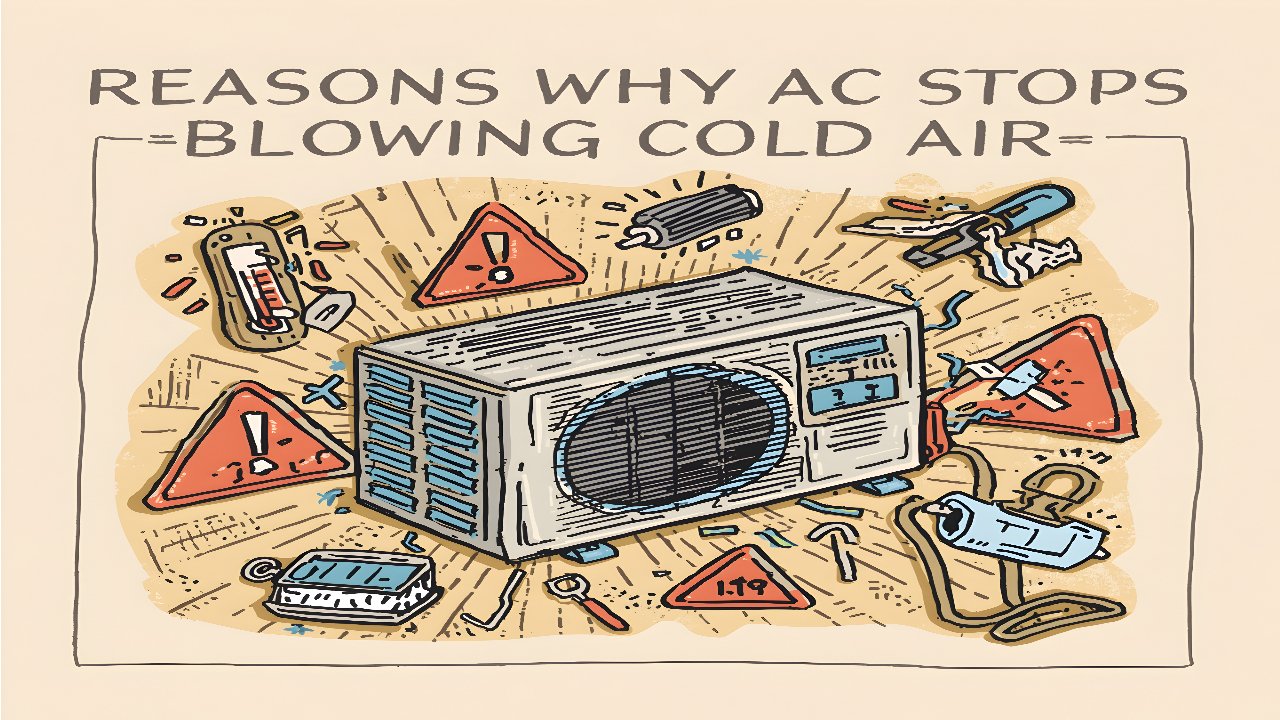
Reasons Why AC Stops Blowing Cold Air
The first reason an AC might fail to blow cold air is low refrigerant, the chemical responsible for cooling the air. A leak or insufficient refrigerant disrupts the cooling cycle, making the air feel warm or room temperature inside. Dirty air filters are another common cause—they restrict airflow, forcing your AC to work harder and less efficiently, often resulting in warmer air blowing out. Frozen evaporator coils inside the unit also impair heat absorption due to moisture buildup or low refrigerant, causing the AC to blow warm air even though the system is running.
Incorrect thermostat settings can also be a culprit. If your thermostat is set to fan-only mode or a temperature higher than the room temperature, your cooling may not activate properly. Additionally, dirty or malfunctioning condenser coils reduce the system’s ability to release heat outside, decreasing cooling performance. Mechanical issues like faulty compressors or blower fans can contribute as well but usually require expert diagnosis. View More
Practical Fixes for AC Not Blowing Cold Air
Start with simple checks — ensure your thermostat is set to the proper cooling mode and temperature (ideally a few degrees lower than room temperature). Next, inspect and replace dirty air filters to improve airflow and efficiency; this can often solve the problem immediately. If your evaporator coils appear frozen, turn off the system to allow them to thaw and check for airflow or refrigerant issues.
Cleaning the condenser coils and clearing debris from around the outdoor unit can improve heat exchange and cooling performance. For low refrigerant levels or suspected leaks, consulting a certified HVAC technician is essential since handling refrigerants requires professional tools and safety precautions. If mechanical components fail, such as the compressor or fan motor, professional repair or replacement might be needed.
Prevention Tips to Keep AC Blowing Cold Air
Regularly replace or clean air filters every 1-3 months during heavy use seasons to maintain proper airflow. Schedule annual or biannual professional HVAC maintenance to inspect refrigerant levels, clean coils, and check for mechanical wear before issues arise. Keep the outdoor unit clear of debris, leaves, and dirt to help it function efficiently.
Ensure proper thermostat settings and avoid drastic temperature changes that strain the system. Sealing and insulating your home well helps the AC maintain desired temperatures with less workload, improving longevity. Avoid running the AC continuously at extreme cool settings and consider using ceiling fans to enhance airflow and reduce cooling demands.
FAQs About AC Not Blowing Cold Air
Q: Why is my AC running but not cooling?
A: It’s often due to low refrigerant, dirty filters, or frozen coils restricting cooling, despite the system running.
Q: How do I know if my AC has a refrigerant leak?
A: Listen for hissing sounds near refrigerant lines or look for ice buildup on evaporator coils; these signs suggest a leak that needs professional repair.
Q: Can I fix AC not blowing cold air myself?
A: Simple fixes like thermostat adjustment and filter replacement are doable. However, handling refrigerant and mechanical repairs require certified HVAC technicians.
Q: How often should AC filters be changed?
A: Replace filters every 1-3 months depending on usage and dust levels to keep airflow optimal.
Q: Why does my AC freeze up?
A: Frozen evaporator coils can result from low refrigerant, poor airflow due to dirty filters, or malfunctioning fans.
Conclusion
When your AC is not blowing cold air, identifying the root cause—from thermostat settings and dirty filters to refrigerant issues and frozen coils—is key to fixing the problem. Many solutions are straightforward and cost-effective, such as adjusting settings or cleaning filters. For more complex refrigerant leaks or mechanical failures, always seek professional help to ensure safety and proper repair. Regular maintenance and simple preventive steps can save you discomfort and repair costs, keeping your AC reliably cool during hot days. With a little care, your air conditioner will continue to provide refreshing comfort year-round.