





Top 5 Most Haunted Places Where History Refuses to Stay Quiet
Some historic places become memorable because of what happened there. Others gain a second life through legends that grow around them for generations. Old castles, murder houses, royal prisons and memorial sites are especially likely to collect stories about unexplained footsteps, shadows, apparitions and strange sounds.
This guide explores five places frequently associated with haunted history: Salem in Massachusetts, Corvin Castle in Romania, the Lizzie Borden House, Lithuania’s Hill of Crosses and the Tower of London.
The aim is not to present ghost stories as established fact. Instead, we look at the documented history first, then explore the legends and paranormal traditions that have become attached to each destination.
In this guide
Top 5 Haunted Places at a Glance
| Place | Country | Known For | Visitor Experience |
|---|---|---|---|
| Salem | United States | 1692 witch trials | Museums, memorials, history and ghost tours |
| Corvin Castle | Romania | Medieval history and legends | Castle architecture, halls and folklore |
| Lizzie Borden House | United States | 1892 Borden murders | Historic tours, evening tours and overnight stays |
| Hill of Crosses | Lithuania | Pilgrimage and remembrance | Spiritual and atmospheric cultural site |
| Tower of London | England | Royal prisoners and executions | Royal history, exhibitions and centuries of folklore |
1. Salem, Massachusetts – The History Behind the Witch City
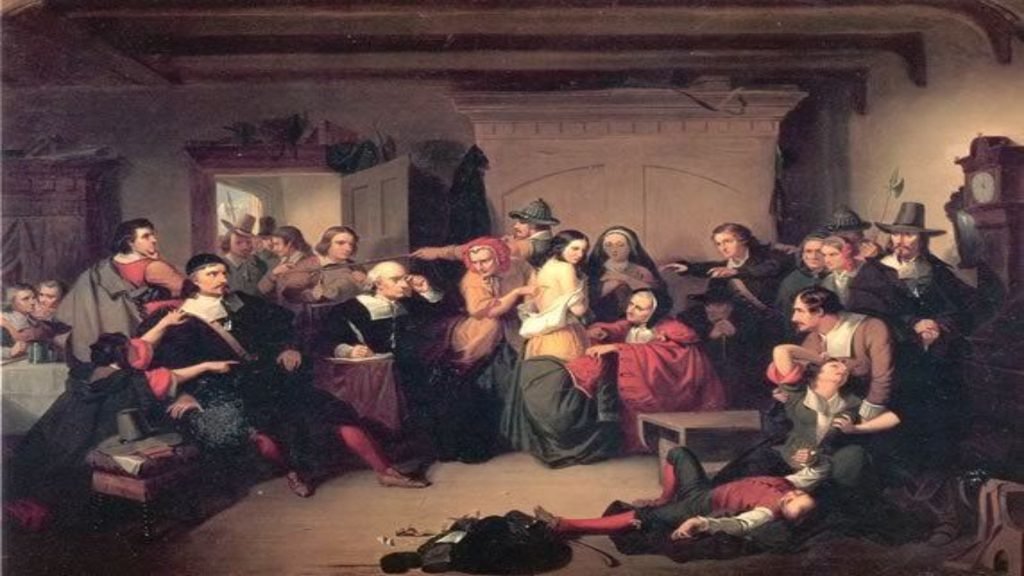
Salem’s association with witchcraft and the supernatural begins with a real historical tragedy: the witchcraft crisis that spread across colonial Massachusetts in 1692.
Accusations eventually led to arrests, trials and executions. Nineteen people were hanged, while Giles Corey died after being pressed with heavy stones when he refused to enter a plea.
Others died while imprisoned.
The Witch House
One of the most recognizable surviving buildings connected with the period is the Jonathan Corwin House, usually called the Witch House.
Corwin was a magistrate involved in the witchcraft proceedings, making the house one of Salem’s strongest architectural connections to the events of 1692.

Photo: RoastedGarlic2018 /
Wikimedia Commons,
CC BY-SA 4.0.
What to See in Salem
The Salem Witch Trials Memorial is an appropriate place to begin. Its memorial stones commemorate the victims of the 1692 executions.
The Witch House adds architectural context, while the Salem Witch Museum presents an interpretation of the trials and their wider legacy.
Visitors interested in the history should also leave time simply to walk through Salem’s historic center rather than moving only between Halloween-themed attractions.
Where the Ghost Stories Come In
Centuries after the trials, Salem’s history became intertwined with supernatural folklore. Walking tours now tell stories involving old cemeteries, historic houses and reported hauntings.
Those stories are part of the city’s modern identity, but it is useful to separate them from the documented history of the witch trials.
2. Corvin Castle, Romania – Medieval History Wrapped in Legend
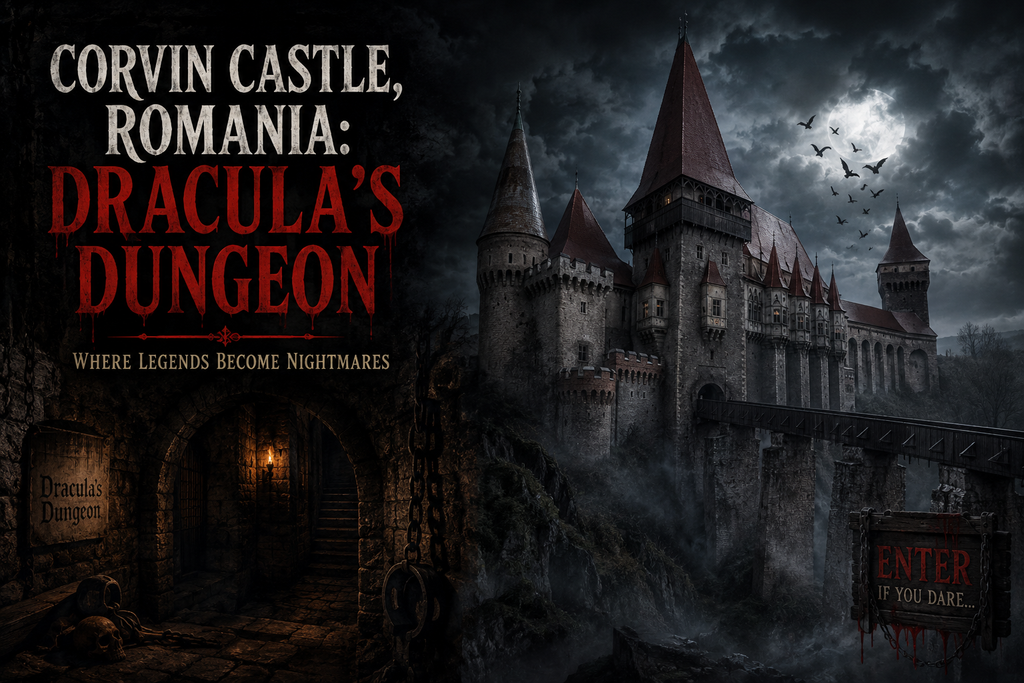
Corvin Castle stands above Hunedoara with towers, stone walls, dramatic roofs and a long bridge leading toward the fortress.
Its appearance is so theatrical that it seems naturally suited to legends.
The site’s official history explains that John Hunyadi began major construction after 1440, transforming an earlier fortification into a much larger castle.
A Castle Built for Atmosphere
Corvin Castle combines military architecture with spaces created for noble life. Courtyards, towers, galleries and halls reveal how the complex changed over several centuries.

Photo: Giuseppe Milo /
Wikimedia Commons,
CC BY 2.0.
What About Vlad the Impaler?
One of the stories repeated about Corvin Castle claims that Vlad III, or Vlad the Impaler, was imprisoned there.
The connection has become part of the castle’s popular Dracula-related folklore, but it should not be treated as securely established historical fact.
Vlad was a real 15th-century ruler whose reputation later became intertwined with the Dracula tradition, while Bram Stoker’s fictional Count Dracula belongs to a much later literary story.
The Legend of the Well
Another tradition concerns the castle well.
According to the legend, Turkish prisoners were promised their freedom if they dug until they reached water. Stories connected with the well have been retold for generations and are now part of Corvin Castle’s cultural identity.
3. Lizzie Borden House – An Unsolved American Murder Story
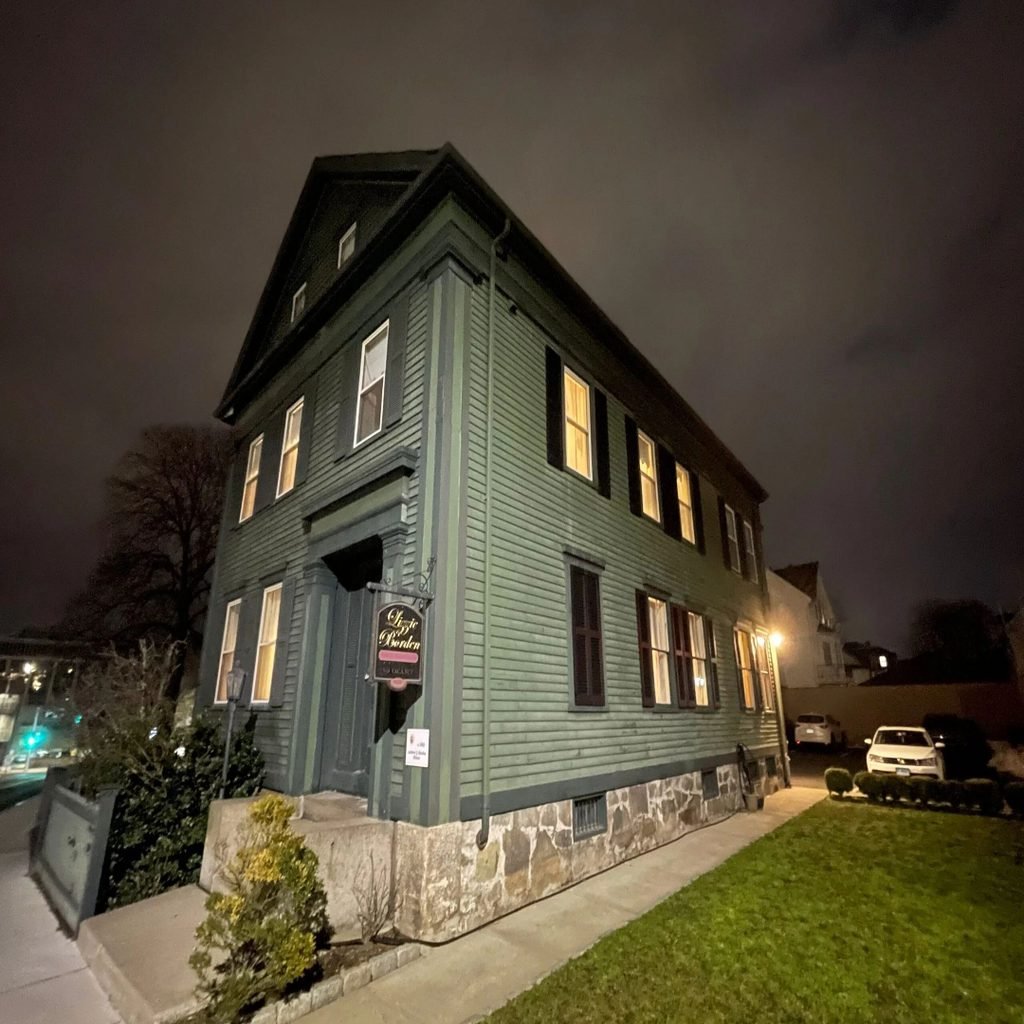
On August 4, 1892, Andrew Borden and his wife Abby were killed inside their home in Fall River, Massachusetts.
Andrew’s daughter, Lizzie Borden, was charged with the murders and later acquitted.
No other person was convicted, leaving the case as one of America’s most enduring historical mysteries.
Why the House Is So Unusual
This is not a museum constructed elsewhere to recreate the crime.
Visitors are entering the actual house in which the murders occurred.
That direct physical connection is one reason the Borden case continues to attract people interested in both true crime and paranormal folklore.

Photo: ArthurBowes /
Wikimedia Commons,
CC BY-SA 4.0.
Can You Tour the House?
Yes. The property offers historical house tours as well as ghost-themed evening experiences.
The historical tours focus on the house, the Borden family and the events surrounding the murders, while paranormal-oriented experiences approach the building from a different perspective.
Can You Stay Overnight?
The property also offers overnight accommodation, making it unusual among historic crime sites.
Visitors should approach the experience with realistic expectations. Reports of footsteps, shadows, noises or other unexplained experiences are personal accounts rather than scientific evidence.
4. Hill of Crosses, Lithuania – Sacred, Unusual and Deeply Atmospheric
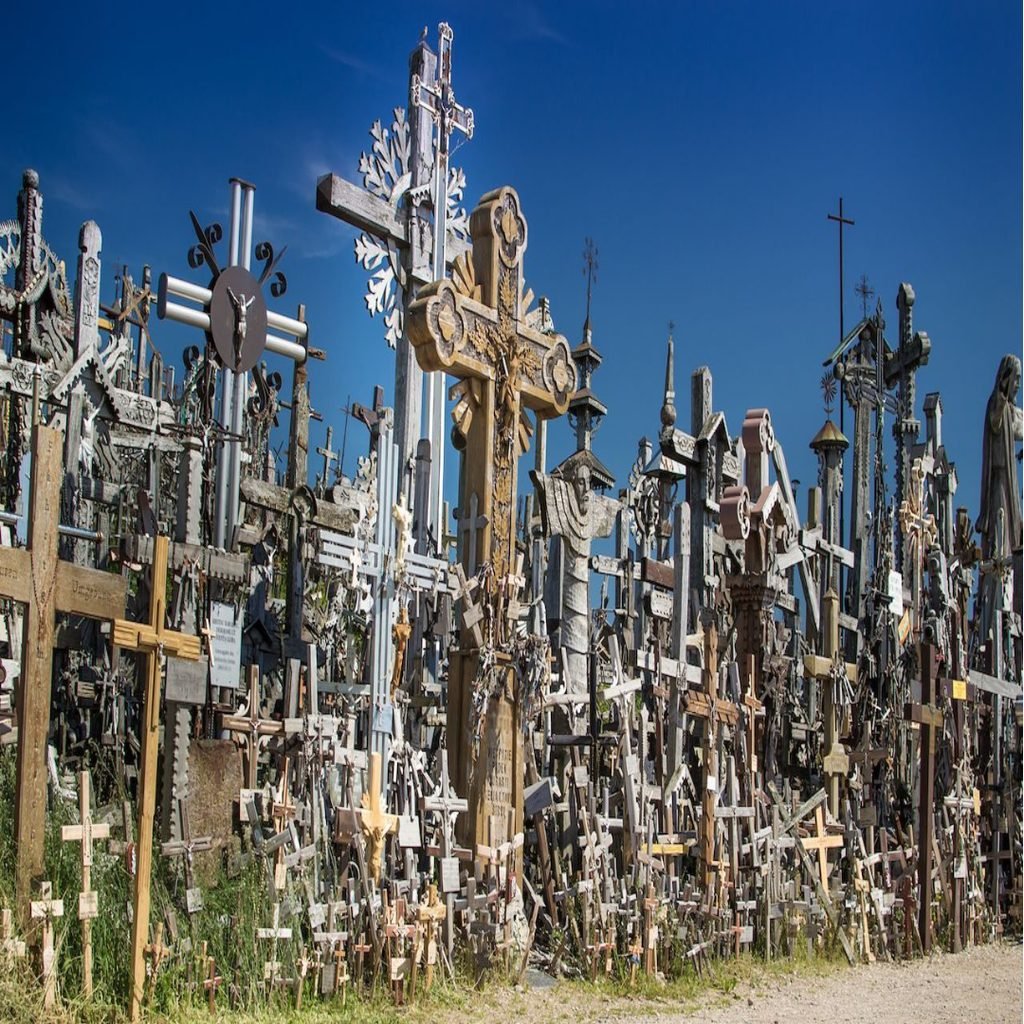
The Hill of Crosses near Šiauliai is very different from the other destinations in this guide.
It is not primarily a haunted attraction or a place built around paranormal tourism.
Instead, it is a sacred pilgrimage and remembrance site filled with crosses, crucifixes, rosaries and religious objects left by visitors over generations.
Lithuania’s official tourism organization describes the site as containing well over 200,000 crosses.

Photo: Mannobult /
Wikimedia Commons,
CC BY-SA 3.0.
A Symbol of Faith and Remembrance
The site became associated with commemoration and Lithuanian identity, particularly during periods when religious and national expression faced political pressure.
After Lithuania regained independence, the Hill of Crosses became an increasingly important pilgrimage destination.
Pope John Paul II visited in 1993, further increasing international awareness of the site.
Why Does It Appear on Haunted Lists?
Visually, the Hill of Crosses can feel unusual.
Thousands of crosses occupy a relatively concentrated landscape. Wind can move smaller objects and rosaries, while changing light creates a very different atmosphere throughout the day.
That appearance has encouraged eerie travel stories and supernatural interpretations.
5. Tower of London – Royal History and Centuries of Ghost Stories
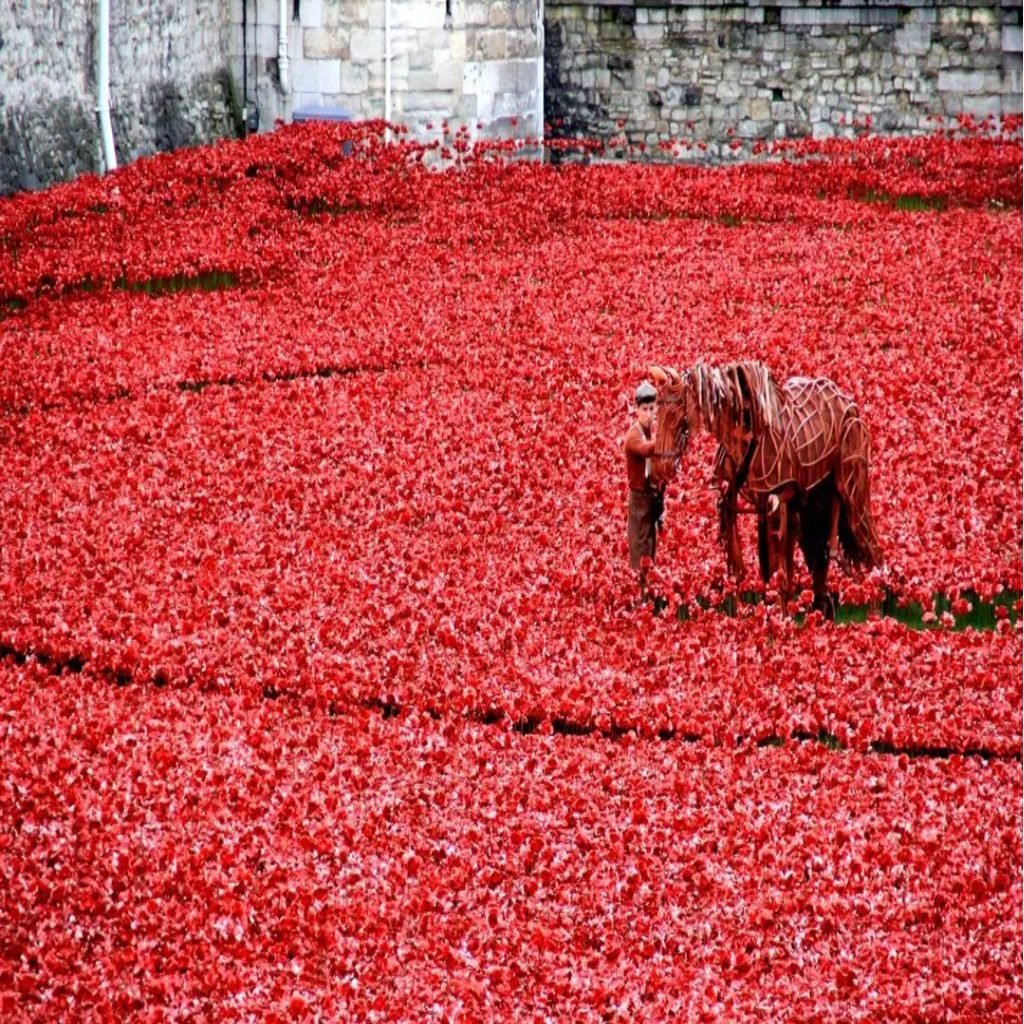
The Tower of London has accumulated an extraordinary amount of history during almost a thousand years.
The complex has served as a fortress, royal residence, prison, armoury, treasury and home to the Crown Jewels.
Its reputation for imprisonment and execution has also made it one of Britain’s most famous locations for ghost stories.

Photo: SkyRose18 /
Wikimedia Commons,
CC0 1.0.
Anne Boleyn and the Tower
One of the Tower’s most famous historical figures is Anne Boleyn, the second wife of Henry VIII.
She was imprisoned in the Tower in 1536 before being executed on Tower Green.
She was later buried in the Chapel Royal of St Peter ad Vincula within the Tower complex.
The Ghost Legend
Over the centuries, stories developed claiming that Anne’s apparition could be seen around the Tower.
Different versions describe sightings in various parts of the fortress, sometimes portraying her as carrying her head.
These accounts belong to folklore rather than documented evidence, but they have become inseparable from the Tower’s supernatural reputation.
More Than Executions and Ghosts
The Tower is much more than a dark-history attraction.
Visitors can explore the White Tower, Crown Jewels, medieval spaces, exhibitions and the stories of people who lived and worked inside the fortress.
The Yeoman Warders and the Tower’s famous ravens are also central parts of the modern visitor experience.
Which Haunted Place Should You Visit?
| If You’re Most Interested In… | Consider | Why |
|---|---|---|
| Witch-trial history | Salem | The 1692 trials remain central to the city’s historic identity. |
| Medieval architecture | Corvin Castle | The castle itself is the main attraction, even without its supernatural legends. |
| True crime | Lizzie Borden House | You can visit the actual house connected with the 1892 murders. |
| Spiritual and cultural history | Hill of Crosses | Its importance comes from pilgrimage, remembrance and Lithuanian identity. |
| Royal history and dark folklore | Tower of London | Centuries of royal events provide the background for numerous legends. |
How to Visit Dark-History Sites Responsibly
The popularity of haunted tourism should not make us forget that many of these destinations are connected with real deaths, persecution or personal tragedy.
Visitors can enjoy folklore and ghost tours while still treating the history seriously.
- Do not trespass: Only enter buildings and areas legally open to visitors.
- Respect memorials: Salem’s memorials and Lithuania’s Hill of Crosses deserve particular care.
- Follow photography rules: Historic attractions may restrict photography in certain areas.
- Do not remove objects: Never take objects from historic, archaeological, cemetery or religious sites.
- Separate legend from fact: A good ghost story does not need to be presented as documented history.
- Respect local visitors: Some people may be visiting for remembrance, worship or family history rather than entertainment.
Why Do Haunted Places Remain So Popular?
A ghost sighting is not necessary for a historic place to leave an impression.
Standing inside a centuries-old castle, entering the actual room connected with a famous crime or walking through a site where major historical events took place creates a physical connection that is difficult to reproduce through books or photographs.
Folklore adds mystery to that experience.
Even visitors who are skeptical about ghosts may still enjoy hearing how stories change over generations and how communities interpret difficult parts of their past.
Frequently Asked Questions
Are these places really haunted?
There is no scientifically established evidence proving that the destinations in this guide are haunted. Ghost stories associated with them come from folklore, personal reports, tourism traditions and generations of storytelling.
Can tourists visit all five places?
Yes, although the experience differs considerably. Salem is an entire city with multiple historic attractions. Corvin Castle and the Tower of London operate as major heritage attractions. The Lizzie Borden House offers scheduled experiences, while the Hill of Crosses is primarily a pilgrimage and cultural site.
Can you stay overnight at the Lizzie Borden House?
Yes. The property offers overnight stays in addition to historical tours and evening paranormal-themed experiences. Availability should be checked directly with the property before planning a trip.
Was Vlad the Impaler really imprisoned at Corvin Castle?
The story is widely repeated, but it should not be presented as securely established historical fact. It is better understood as part of the legends that have developed around the castle and Vlad’s later association with Dracula folklore.
Is the Hill of Crosses a haunted attraction?
No. Its primary significance is religious, cultural and historical. Its unusual visual appearance has inspired eerie stories, but Lithuania’s tourism authorities present it as a pilgrimage and remembrance site.
Is Salem only worth visiting during Halloween?
No. October offers the strongest Halloween atmosphere, but the museums, memorials and historic sites connected with the 1692 witch trials can be explored throughout the year.
What is the best place here for history?
That depends on the period you find most interesting. Salem focuses heavily on the events of 1692; Corvin Castle offers medieval history; the Lizzie Borden House centers on a 19th-century crime; and the Tower of London spans centuries of English royal history.
Final Thoughts
The world’s most interesting so-called haunted places do not need a ghost to justify a visit.
Salem preserves the memory of a real witchcraft panic that ended in executions. Corvin Castle combines dramatic medieval architecture with generations of legend. The Lizzie Borden House places visitors directly inside one of America’s best-known unsolved murder stories.
Lithuania’s Hill of Crosses provides something very different: a landscape shaped by faith, remembrance and national identity. Meanwhile, the Tower of London contains centuries of royal ambition, imprisonment, execution and political change.
The supernatural stories give these destinations another layer of mystery, but their documented histories are what give them lasting depth.
Visit with curiosity, treat folklore as folklore, and respect the real people whose lives created the history behind the stories.
Useful research and visitor sources
-
Salem Witch Museum
— history and interpretation of the Salem witch trials. -
Corvin Castle Museum
— official castle history and visitor information. -
Lizzie Borden House
— official history, tours and accommodation information. -
Lithuania Travel – Hill of Crosses
— official tourism information about the pilgrimage site. -
Historic Royal Palaces – Tower of London
— official visitor and historical information.